
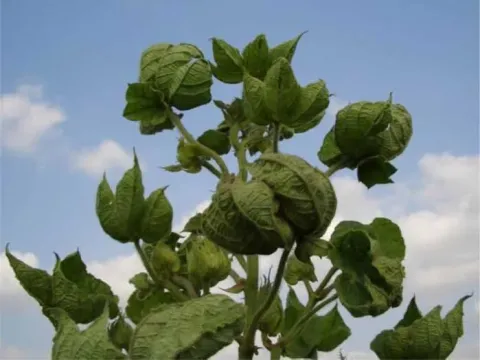
Cotton leaf curl virus
Cotton leaf
Cotton leaf curl virus (CLCuV) is a devastating plant pathogen belonging to the genus Begomovirus within the family Geminiviridae. It is a bipartite virus that primarily infects cotton plants in tropical and subtropical regions.
What the section contains
Cotton leaf curl virus
The virus is characterized by a circular, single-stranded DNA genome. It relies on its insect vector, the whitefly (Bemisia tabaci), for transmission between hosts. The virus circulates within the vector but does not multiply within it.
CLCuV has a broad host range, infecting various weeds and cultivated crops such as okra and hibiscus. These alternative hosts serve as reservoirs for the virus, ensuring its survival during the off-season when cotton is not being grown.
Molecular diagnosis is essential for confirming the presence of CLCuV. Techniques such as Polymerase Chain Reaction (PCR) and rolling circle amplification are standard tools used to detect the specific viral strains present in field samples.
Field identification is primarily based on visual observation of morphological symptoms. Since the virus does not spread through mechanical contact or seeds, accurate identification of the whitefly population is crucial for management.
The primary host, Gossypium hirsutum, suffers significant physiological damage when infected with CLCuV. The virus interferes with plant development, leading to stunted growth and severe yield losses.
Infection results in the blockage of nutrient transport pathways within the plant. This leads to the shedding of flower buds and bolls, drastically reducing the total quantity of cotton harvested from a field.
Fiber quality is significantly degraded in infected plants. The staple length, strength, and fineness are compromised, making the lint less desirable for high-end textile manufacturing and reducing its market value.
In severe cases, entire cotton fields can face total crop failure. The economic impact is compounded by the high costs associated with repeated insecticide applications required to control the vector population.
The presence of the virus affects the overall plant architecture, making the crop more susceptible to secondary infections and environmental stresses, further exacerbating the reduction in agricultural productivity.
The most distinctive symptom is the upward or downward curling of leaves. Leaves often become thickened, dark green, and exhibit a wrinkled or crinkled texture that is easy to spot.
A hallmark of CLCuV infection is the development of vein swelling, often forming cup-like outgrowths known as enations on the undersides of leaves. This is a critical diagnostic feature for identifying the disease.
The entire plant architecture is often altered. Infected cotton plants exhibit shortened internodes, leading to a stunted, bushy appearance that distinguishes them from healthy, vigorous plants in the same field.
Reproductive organs are frequently affected, with distorted flower petals and boll development being common. Many bolls may fail to open, or if they do, they yield poor-quality fiber and immature seeds.
- Severe leaf curling and thickening.
- Distinctive vein enations on leaf undersides.
- Stunted plant growth and reduced internode length.
- Premature shedding of floral buds and young bolls.
- General lack of plant vigor and deformed growth patterns.
Effective management requires an integrated approach focusing on the control of Bemisia tabaci. Regular monitoring of whitefly populations is essential to decide when to apply systemic insecticides.
Cultural practices are vital in reducing viral inoculum. This includes the elimination of alternative host weeds such as Hibiscus rosa-sinensis and other malvaceous weeds that harbor the virus in the field surroundings.
The development and deployment of resistant cotton cultivars represent the most sustainable solution. Breeding programs are focused on incorporating resistance genes into commercial cotton varieties to mitigate the impact of CLCuV.
Crop rotation and adhering to recommended planting dates are effective strategies to escape peak whitefly activity. Planting at the optimal time helps the cotton crop reach a certain level of maturity before high pressure from the vector occurs.
Field sanitation, including the destruction of cotton crop residues immediately after harvest, prevents the carry-over of the virus to the next season and disrupts the whitefly life cycle.