
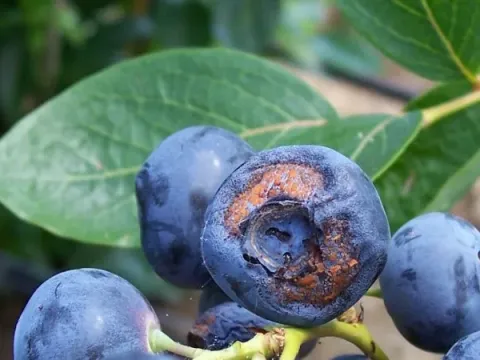
Colletotrichum gloeosporioides
Colleotrichum gloeosporioides
Colletotrichum gloeosporioides is an ascomycete fungus and a major plant pathogen. It serves as the asexual stage (anamorph) of the teleomorph Glomerella cingulata, which is widely recognized as a primary cause of anthracnose in diverse plant species.
What the section contains
Colletotrichum gloeosporioides
This pathogen is characterized by its broad host range, infecting hundreds of agricultural and ornamental crops. It is genetically diverse, allowing it to adapt to various environmental conditions and host resistance mechanisms.
The fungus produces asexual spores called conidia within specialized structures known as acervuli. These acervuli often feature dark setae that aid in the identification of the pathogen under microscopic examination.
Growth occurs through the production of mycelium that penetrates host tissue. The pathogen is notorious for its ability to persist in a latent state, remaining dormant within the plant tissue until host physiological stress triggers the disease.
Biochemically, the fungus utilizes a variety of cell-wall-degrading enzymes to breach the structural defenses of its host. This invasive strategy allows it to colonize both healthy and ripening plant tissues effectively.
The fungus is primarily responsible for anthracnose disease, which causes significant damage to fruits, leaves, stems, and blossoms. Major losses occur in crops such as citrus, avocados, mangoes, papayas, and strawberries.
Infection leads to localized necrosis or large, sunken lesions on fruits, making them unmarketable. Post-harvest decay is a severe problem, as latent infections emerge after the fruit has been harvested and stored.
On leaves, the pathogen causes spots that eventually coalesce, leading to severe leaf blight and premature defoliation. This reduces the photosynthetic capacity of the plant and lowers overall yield.
Twig dieback is common in many woody crops, where the fungus causes deep cankers and kills young shoots. This structural damage can weaken the tree, leading to stunted growth and reduced productivity in subsequent seasons.
Floral infection leads to flower blight and failure to set fruit. Even when fruit does develop, the presence of the pathogen often results in poor quality, misshapen produce, and high spoilage rates during transport.
Colletotrichum gloeosporioides thrives in warm and humid climates. The optimal temperature for germination and mycelial expansion typically ranges between +22°C and +28°C, facilitating rapid disease spread.
High moisture levels, such as frequent rainfall, heavy dew, and fog, are essential for the dispersal of conidia. Rain splash is the primary method for moving spores from the soil or infected debris to healthy plant tissues.
Infections often initiate from overwintering sources, such as crop debris, soil, or persistent infections in woody branches. As temperatures rise in spring, the pathogen activates and begins to release mass amounts of spores.
The disease reaches peak severity during the fruit maturation stage. High sugar content in ripening fruits and high humidity levels create the perfect environment for the pathogen to thrive and destroy the harvest.
In greenhouse settings, environmental control is paramount. Poor ventilation and constant humidity can lead to year-round outbreaks, making it nearly impossible to control the disease without strict management practices.
The hallmark symptom is the appearance of dark, sunken, circular lesions on fruits and leaves. In high humidity, these lesions become covered with pinkish, gelatinous masses of conidia.
Leaf symptoms start as small, water-soaked spots that darken and develop a distinct margin. Eventually, these spots expand, causing the leaves to yellow and wither, leading to a scorched appearance across the foliage.
Fruit lesions begin as small dots and quickly grow into large, decayed areas. The infected tissue becomes soft and often produces an unpleasant, rotting odor as other secondary opportunistic pathogens invade.
Stem and branch lesions appear as longitudinal cankers or cracked bark. In severe cases, these cankers can girdle the branch, causing the portion above the lesion to die off completely.
Blossoms turn brown and decay, leading to premature drop. Infected fruit stalks often show darkening and shriveling, which interrupts nutrient flow and causes the fruit to drop before reaching maturity.
Integrated pest management is critical. Sanitation is the first line of defense: removing and burning or burying infected plant debris significantly reduces the amount of inoculum present for the next cycle.
Pruning is essential for maintaining air circulation through the canopy. Reducing the density of branches helps lower humidity levels around the foliage and fruit, making the environment less hospitable to the fungus.
Chemical control involving fungicides is standard practice. Copper-based sprays or systemic fungicides like triazoles and strobilurins are effective when applied at the first signs of disease or during high-risk weather windows.
Irrigation methods should be chosen carefully; drip irrigation is preferred over overhead spraying to avoid splashing spores onto susceptible plant parts. Keeping the foliage dry is a highly effective preventative strategy.
Using certified disease-free planting material and resistant cultivars helps prevent the introduction and spread of the pathogen. For high-value crops, post-harvest treatments with biological or chemical agents can prevent storage decay.