
Colletotrichum graminicola
Colletotrichum graminicola
Description
How to identify
Colletotrichum graminicola is a pathogenic fungus belonging to the Ascomycota phylum. It is widely recognized as the causal agent of anthracnose, a severe disease affecting various cereal crops and grasses worldwide.
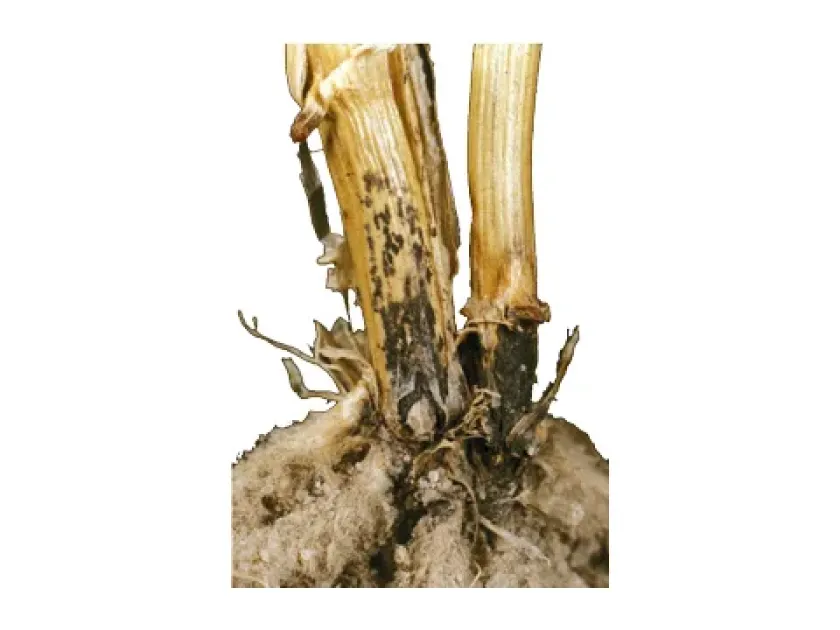
The fungus produces asexual fruiting bodies known as acervuli, which appear as small, dark structures on infected plant tissues. These acervuli contain masses of conidia, the spores responsible for spreading the infection to healthy plants during the growing season.
This pathogen exhibits a complex life cycle, surviving as dormant mycelium or spores on crop residues, soil, and sometimes within contaminated seeds. This saprophytic phase allows it to persist in the field for several seasons, ensuring a reliable source of inoculum.
Infection is initiated when conidia land on a susceptible host and germinate. The fungus forms specialized structures called appressoria, which apply physical pressure to penetrate the plant epidermis or enter through natural openings such as stomata.
Environmental conditions play a crucial role in the development of the disease. Warm temperatures and high humidity levels are ideal for the rapid colonization of host tissues, making anthracnose a significant threat during periods of frequent rainfall.
What it damages
The host range of Colletotrichum graminicola includes major cereal crops such as wheat, barley, rye, oats, and maize. In maize, it is particularly known for causing stalk rot, which can lead to significant yield losses in commercial production.
The disease negatively impacts the plant's physiological processes, including nutrient transport and photosynthesis. Infected plants show stunted growth, reduced leaf area, and impaired grain filling, which results in lower overall yield.
Severe infestations often cause lodging, where the weakened stems can no longer support the weight of the grain head. This leads to substantial harvest losses, as fallen stalks are difficult to recover using standard machinery.
Quality degradation is another major concern. The grain produced by heavily infected plants is often shriveled, light in weight, and may have poor germination rates, rendering it unsuitable for seed purposes.
Economic damage is exacerbated by the fact that the pathogen thrives in many common agricultural environments. Without effective control, anthracnose can cause devastating outbreaks that reduce the profitability of the entire farm operation.
Signs of infestation
Symptoms of anthracnose typically start as small, water-soaked spots on the leaves, which eventually turn tan or reddish-brown. Over time, these lesions expand and become elongated along the veins of the leaf.
Tiny black dots, representing the acervuli, develop within these lesions. Under humid conditions, a characteristic salmon-colored or pinkish mass of spores may be visible on the surface of the infected areas.
Stem infections manifest as dark, discolored patches or streaks. As the infection progresses, the internal pith of the stem may decay, leading to structural weakness and an increased risk of stalks breaking.
- Lesions with dark, fungal fruiting bodies.
- Premature yellowing and leaf necrosis.
- Pinkish spore masses visible in high humidity.
- Discoloration and rotting of internal stalk tissue.
- Increased lodging due to weakened stem integrity.
Control measures
Managing anthracnose requires an integrated pest management approach. Crop rotation is essential, with a recommended gap of several years before returning susceptible cereals to the same field to reduce soil-borne inoculum.
Sanitation practices are equally vital. Incorporating crop debris deep into the soil after harvest speeds up decomposition and eliminates the primary overwintering sites for the fungus.
Fungicide application during the growing season can be highly effective, especially when weather conditions favor disease spread. Products containing triazoles or strobilurins are commonly used to suppress the growth of Colletotrichum graminicola.
Seed treatments are an important preventive measure, as they protect the young seedling from soil-borne infections during the critical early stages of development and ensure a healthier crop stand.
Optimizing plant nutrition, particularly ensuring adequate potassium and phosphorus levels, strengthens the plant’s natural defenses against pathogen invasion and minimizes the overall severity of the disease.
Causes diseases · 1
Discussion
No discussions yet — be the first.