
Colletotrichum acutatum
Colletotrichum acutatum
Colletotrichum acutatum is a destructive fungal pathogen belonging to the phylum Ascomycota. It is recognized globally as a primary causal agent of anthracnose in a vast array of horticultural and agronomic crops.
What the section contains
Colletotrichum acutatum
The fungus produces asexual spores called conidia, which are borne in structures known as acervuli. These conidia typically display a sharp, acute shape at the apex, which is the defining characteristic of this specific species within the Colletotrichum genus.
Systematically, it is a polyphagous pathogen capable of infecting numerous plant species. It is noted for its ability to exist in a latent state within plant tissues, remaining asymptomatic until environmental conditions trigger the development of lesions.
The life cycle is characterized by rapid sporulation, especially in humid conditions. The pathogen survives between growing seasons in infected plant debris, soil, and as latent mycelium on perennial hosts or within seeds.
Development is heavily dependent on moisture and temperature. Spore germination and colonization occur optimally when temperatures are between 20°C and 28°C and the surface of the plant remains wet for several hours.
The pathogen causes significant economic losses by attacking fruits, leaves, and stems. It is particularly notorious for causing severe damage to strawberries, blueberries, and various fruit trees, often rendering the harvest unmarketable.
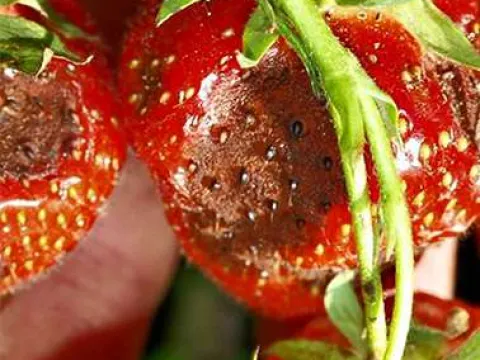
In strawberry production, it causes the "fruit rot" phase of anthracnose. Infections cause sunken, water-soaked lesions that quickly become covered in orange or pink spore masses, leading to complete fruit decay.
Beyond fruit rot, the pathogen induces crown rot and seedling blight, which can devastate nurseries. Seedlings infected by C. acutatum often collapse and die before reaching the transplant stage, causing major financial impact.
Vegetable crops, such as tomatoes and peppers, are also highly susceptible. The fungus causes stem lesions and fruit spots that reduce the yield and quality of the produce, often leading to post-harvest losses during storage and transit.
Overall, the pathogen's ability to infect multiple parts of the host plant—from roots and crowns to flowers and fruits—makes it a difficult and costly disease to manage in commercial agriculture settings.
The most distinctive symptom is the appearance of sunken, circular lesions on fruits. These lesions initially appear light-colored, then darken, and eventually produce the characteristic moist, gelatinous masses of conidia.
On leaves, the pathogen causes necrotic spots, often surrounded by a chlorotic halo. Under high humidity, these spots may merge, leading to the rapid wilting and necrosis of entire leaves or branches.
Stem and petiole infections manifest as dark, elongated lesions or cankers. These lesions can girdle the stem, disrupting nutrient and water transport and causing the portion of the plant above the lesion to die.
Root system damage often goes unnoticed until the plant shows signs of systemic wilting or stunted growth. Careful examination reveals brown or black necrosis, indicating the presence of the pathogen in the root cortex.
Latent infections are common, where the fungus colonizes the plant without visible damage. Symptoms often only emerge post-harvest, turning seemingly healthy fruit into rotten, spore-covered waste within a matter of days.
Management strategies must emphasize the use of disease-free planting material. Establishing a rigorous certification program is the first line of defense to prevent the introduction of the pathogen into new growing areas.
Cultural practices play a major role, including the removal of infected plant residues and weeds that may harbor the fungus. Implementing crop rotation helps reduce the inoculum level in the soil over several years.
Chemical control involves the application of fungicides, such as strobilurins and triazoles, during high-risk periods like flowering and fruit development. Precise timing is essential to prevent the establishment of initial infections.
Modifying the environment to reduce leaf wetness is highly effective. Greenhouse ventilation and the use of drip irrigation instead of overhead sprinklers significantly limit the conditions required for spore germination and spread.
- Selecting resistant or less susceptible cultivars when available.
- Sanitizing pruning tools and equipment between rows.
- Monitoring weather patterns to schedule preventative fungicide sprays.