
Citrus tristeza virus
Citrus tristeza
Citrus tristeza virus (CTV) is a viral pathogen belonging to the genus Closterovirus. It is recognized as one of the most destructive diseases affecting citrus orchards globally.
What the section contains
Citrus tristeza virus
The virus consists of thread-like particles containing single-stranded RNA. It is a strictly parasitic object that does not possess cellular structure but exhibits high virulence in citrus tissues.
Natural transmission occurs primarily through insect vectors, specifically various aphid species, with the brown citrus aphid being the most efficient vector.
The virus is also disseminated via the use of infected budwood or rootstock material during the grafting process in plant nurseries.
The incubation period is highly variable, ranging from a few weeks to several years, depending on the specific viral strain and the host's susceptibility.
The primary hosts of the virus are plants belonging to the genus Citrus. Trees grafted onto sour orange rootstocks are particularly susceptible to severe forms of the disease.
Affected crops include oranges, grapefruits, limes, and mandarins. Lemons are also vulnerable, although they may exhibit milder symptom expressions.
Systemic infection of the phloem tissue disrupts the translocation of photoassimilates, leading to gradual physiological decline and eventual death of the entire tree.
The economic impact involves complete yield loss, degradation of fruit quality, and the mandatory removal of entire orchards in infected areas.
Many citrus varieties can act as symptomless carriers, maintaining the virus in an orchard environment and serving as reservoirs for further infection.
Early symptoms include leaf chlorosis that resembles nutrient deficiencies, followed by wilting and premature leaf drop across the canopy.
Growth is significantly stunted, with progressive dieback of terminal branches and a overall reduction in the physical size of the affected tree.
In cases involving susceptible rootstocks, phloem necrosis at the graft union often results in sudden tree collapse and death.
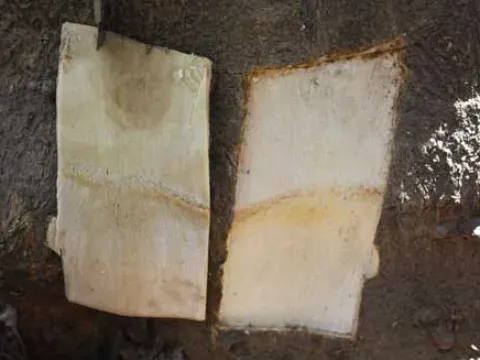
Wood pitting is a common sign, which can be observed by peeling back the bark, causing severe disruption to the tree's vascular system.
Fruit production is negatively affected, leading to smaller, distorted, and poor-quality fruits that drop from the branches before ripening.
The primary control measure is the use of certified, virus-free nursery stock that has undergone rigorous laboratory screening and indexing.
Strict phytosanitary protocols must be maintained, including rigorous quarantine procedures for all imported citrus propagating materials.
Effective management includes integrated pest management (IPM) to control aphid populations, thereby reducing the rate of secondary viral transmission.
Planting tolerant or resistant rootstock-scion combinations is a crucial strategy to prevent severe economic losses in areas where the virus is endemic.
Infected trees in an orchard should be promptly removed and destroyed to minimize the spread of the virus to neighboring healthy trees.