
Cladosporium macrocarpum
Cladosporium macrocarpum
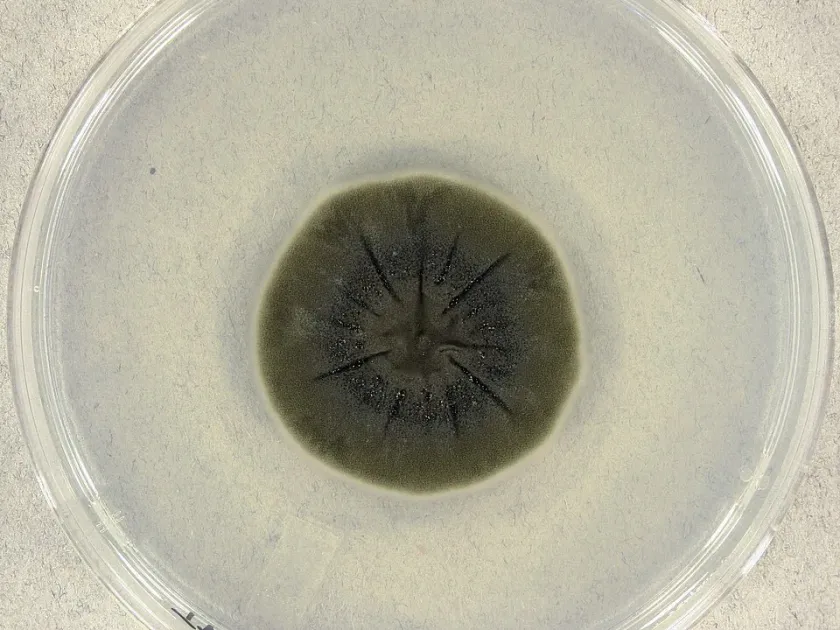
Description
How to identify
Cladosporium macrocarpum is an imperfect fungus belonging to the Cladosporiaceae family. It is a microscopic plant pathogen recognized by its distinctive olive-green to dark brown sporulation on affected host tissues.
The mycelium of this fungus is septate and branched, often displaying a dark pigmentation. Conidiophores are typically erect, sometimes geniculate (bent), which serves as a reliable diagnostic feature when analyzed under laboratory conditions.
Conidia are produced in chains and are generally ellipsoid or lemon-shaped. Their dark pigmentation is a significant evolutionary adaptation that protects the spores from UV radiation, allowing them to remain viable for longer periods.
It acts as a facultative parasite, meaning it can infect living plant tissues but is also capable of surviving saprotrophically on decaying plant debris, ensuring its persistence in the environment.
The life cycle involves the rapid asexual production of conidia. These spores are easily disseminated by wind, rain splashes, and human activity within the agricultural field, leading to secondary infections throughout the season.
What it damages
This pathogen affects a broad range of crops, including tomatoes, cucumbers, onions, and various grasses. It is often particularly aggressive on plants that are already weakened by abiotic stress or poor growing conditions.
Infection significantly impairs photosynthesis due to the necrosis of leaf tissue. This reduction in the plant's metabolic capacity leads to stunted growth, reduced yields, and lower vigor of the host plant.
In vegetable production, the disease can cause lesions on fruits, reducing their aesthetic and commercial value. In severe cases, the pathogen facilitates secondary rotting, making the harvest unusable.
For grain crops, Cladosporium macrocarpum can colonize tissues that have been damaged by other pathogens or pests, thereby accelerating the senescence of the plant and degrading the grain quality.
The economic impact is most pronounced in protected cultivation environments, where high humidity and density provide optimal conditions for the fungus to spread rapidly across the entire crop.
When it appears
The peak activity of Cladosporium macrocarpum typically occurs in the latter half of the growing season, when the crop canopy is dense and provides a humid microclimate conducive to fungal growth.
Optimal conditions for infection include temperatures ranging from +18 to +25 degrees Celsius accompanied by relative humidity levels exceeding 85%, which trigger prolific sporulation.
In greenhouse settings, the pathogen can remain active throughout the year if ventilation is inadequate and moisture management is not strictly controlled, potentially leading to persistent outbreaks.
The fungus overwinters primarily in the form of mycelia and conidia on crop residues left in the soil, as well as on contaminated seeds, which serve as a primary source of inoculum for the next season.
The spread is heavily influenced by meteorological events such as frequent dew, fog, or periods of high humidity that allow moisture to persist on plant surfaces for extended intervals.
Signs of infestation
The initial symptoms present as small, faint chlorotic spots on the leaf surface. As the infection progresses, these spots expand and darken, turning into brown or olive-colored necrotic lesions.
A dense, velvet-like sporulation layer forms on the undersides of the leaves corresponding to the necrotic areas. This velvety appearance is a hallmark of Cladosporium infection.
As the infection intensifies, these lesions can merge, resulting in large, dead patches on the foliage. This often leads to premature yellowing and the dropping of leaves from the lower canopy upwards.
Stems may also show dark elongated lesions that can lead to girdling, restricting the transport of water and nutrients to the upper parts of the plant and causing localized wilting.
- Appearance of irregular dark spots.
- Velvety olive-green mold on the leaf underside.
- Leaf curling and drying in affected areas.
- Reduced plant vitality and premature senescence.
Control measures
Crop rotation is a fundamental management practice. Avoiding the cultivation of susceptible host plants in the same plot for at least 3-4 years significantly reduces the soil inoculum level.
Sanitation is crucial; removing and destroying infected plant debris after harvest prevents the pathogen from overseasoning and decreases the initial inoculum load for the next cycle.
In greenhouses, maintaining adequate air circulation and humidity control is essential. Avoiding high humidity helps prevent the moisture films that spores require to germinate.
Chemical control involving fungicides, specifically those containing copper or systemic groups like triazoles, should be applied at the onset of symptoms to mitigate the spread.
Implementing integrated pest management (IPM) practices, such as selecting resistant cultivars and optimizing plant spacing, creates a less favorable environment for fungal colonization.
Causes diseases · 1
Discussion
No discussions yet — be the first.