
Cladosporium leaf mold
Cladosporium herbarum
Description
How to identify
Cladosporium herbarum is a ubiquitous fungal species within the family Cladosporiaceae. It is recognized primarily as a saprotroph, but it frequently acts as a opportunistic plant pathogen on a vast array of botanical hosts.
The fungus produces branched conidiophores that bear long chains of spores, which are easily dispersed by wind, rain, and agricultural machinery. Its mycelium is typically dark, ranging from olivaceous to almost black in color.
Being an extremely adaptable organism, it thrives in diverse environments, from field crops to post-harvest storage facilities, making it a persistent challenge for global agriculture.
Taxonomically, it belongs to the class Dothideomycetes. Its life cycle is characterized by rapid sporulation, allowing the fungus to colonize new substrates within a matter of days under favorable conditions.
Microscopic identification typically reveals septate hyphae and characteristic conidia, which are essential for distinguishing it from other closely related species within the genus Cladosporium.
What it damages
This fungus targets a wide range of agricultural crops, including cereals, vegetables, and ornamental plants. It often exacerbates existing damage by colonizing tissues already stressed or infected by other agents.
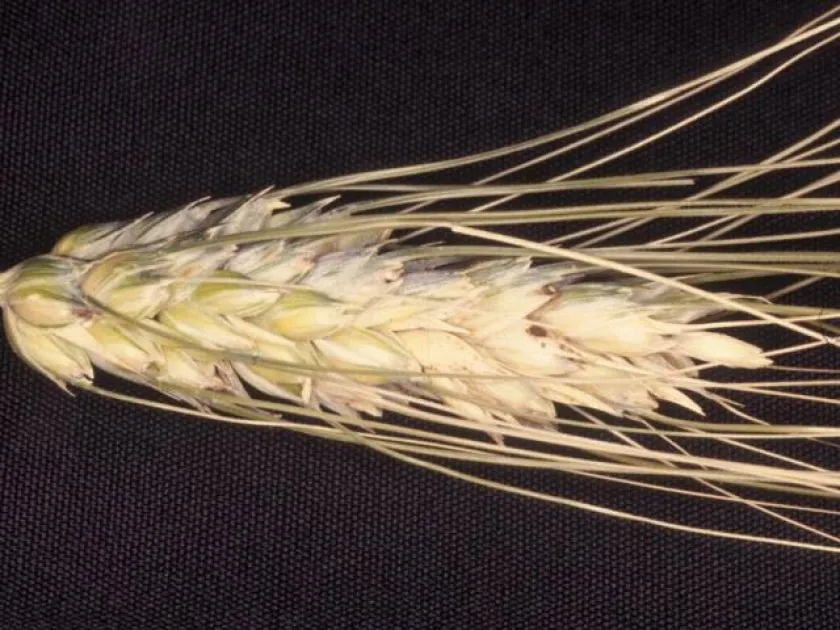
In wheat and barley, it causes head blight or "sooty mold," which significantly degrades the quality of the harvested grain, reducing its test weight and overall nutritional value.
Vegetable crops such as tomatoes and cucumbers are prone to leaf mold, which causes yellowing and premature death of foliage, leading to reduced photosynthetic capacity and smaller yields.
In orchards, the fungus infects fruit, particularly those with existing micro-cracks or insect damage, leading to rapid decay during storage and significantly reducing shelf life.
Beyond direct crop loss, the presence of this fungus can contaminate produce with fungal metabolites, potentially rendering the harvest unsuitable for commercial sale or processing.
When it appears
The development of Cladosporium herbarum is highly dependent on humidity levels. It thrives in humid conditions and temperatures ranging from 15°C to 25°C, where it can complete its cycle rapidly.
Prolonged periods of rain or heavy morning dew are ideal for the germination of its spores, as the moisture film on the plant surface facilitates the invasion of plant tissues.
The fungus is capable of overwintering on plant debris, standing stubble, or even in the soil, ready to initiate a new infection cycle as soon as environmental conditions become favorable in the spring.
In controlled environments like greenhouses, poor ventilation and excessive irrigation create the perfect microclimate for the pathogen to establish itself and spread throughout the crop.
Harvesting periods during wet weather often see a spike in Cladosporium infections, as mature tissues become more susceptible to fungal colonization as they lose their natural resistance.
Signs of infestation
The hallmark symptom is the appearance of a velvety, olivaceous-green to black mold on the affected plant surfaces. These spots are often irregular and may eventually merge.
On leaves, the infection starts as yellow spots that gradually become necrotic. Beneath these spots, one can usually observe the dark, fuzzy mycelial growth of the fungus.
Fruits infected with the pathogen show dark, soft spots that rapidly expand, leading to the collapse of the tissue. In advanced stages, the fruit becomes covered in a dense, dark layer of spores.
In cereals, the ears show a distinctive darkening, with the mold growing on the glumes, which makes the crop look scorched or soot-covered compared to healthy fields.
- Velvety olive-black mold growth.
- Yellowing and chlorosis of foliage.
- Soft, necrotic spots on fruits and stems.
- Premature leaf drop and wilting.
Control measures
Effective management begins with robust cultural practices, such as crop rotation and the thorough removal or deep burial of plant residues to reduce the inoculum load in the field.
Maintaining proper plant density and ensuring good airflow within the canopy are crucial strategies to keep humidity low and inhibit the establishment of the fungus.
In commercial production, the use of preventative and curative fungicides is often necessary, especially when weather forecasts predict extended periods of high humidity and rainfall.
Seed treatments can prevent early-season infections, protecting seedlings as they emerge and ensuring they have a healthy start before they become vulnerable to later infections.
Post-harvest hygiene, including disinfecting storage crates and maintaining cool, dry storage conditions, is essential to prevent the spread of the pathogen during the marketing phase.
Causes diseases · 2
Discussion
No discussions yet — be the first.