
Cladosporium
Cladosporium
Cladosporium is a large genus of fungi that includes many species which are pathogenic to plants. They are classified within the phylum Ascomycota and are known for their ability to thrive in diverse environments.
What the section contains
Cladosporium
These fungi function as facultative parasites, meaning they can survive on decaying organic matter but readily infect living plant tissues when conditions permit.
Reproduction is primarily asexual, involving the production of vast quantities of conidia that are easily dispersed by wind, rain splashes, and human activity within agricultural spaces.
Once they land on a suitable host, the spores germinate and enter through natural openings such as stomata, establishing a mycelial network within the plant's intercellular spaces.
The taxonomic complexity of the genus means that different species exhibit varying degrees of specialization, with some targeting specific crops like tomatoes or cereals.
The most significant economic damage caused by Cladosporium is leaf mold, particularly in tomato cultivation, where it can severely compromise the leaf surface area.
Other crops susceptible to these pathogens include cucumbers, peppers, various grains, and many ornamental species, leading to reduced overall plant vigor.
The infection manifests as necrotic spots on foliage, which disrupt photosynthesis and force the plant to divert energy away from fruit development towards survival.
As the disease progresses, the plant loses its protective leaf cover, leading to sunburn on fruits and poor quality yields that do not meet market standards.
Severe infestations can lead to total defoliation and the death of the plant, especially when combined with poor environmental management in greenhouse systems.
Cladosporium activity is strongly linked to high humidity levels, often peaking when relative humidity exceeds 80% and temperatures range between 20°C and 25°C.
Greenhouse environments are particularly prone to outbreaks due to stagnant air and condensation on leaves, which provide the perfect moisture film for spore germination.
In open-field settings, the disease is most prevalent during periods of frequent rainfall, high morning dew, or persistent foggy weather that keeps foliage wet for extended periods.
The disease typically originates in the lower, more humid parts of the canopy and gradually moves upward, infecting new leaves as the season progresses.
Effective management requires monitoring environmental conditions closely during the vegetative growth phase to prevent the establishment of the initial infection cycle.
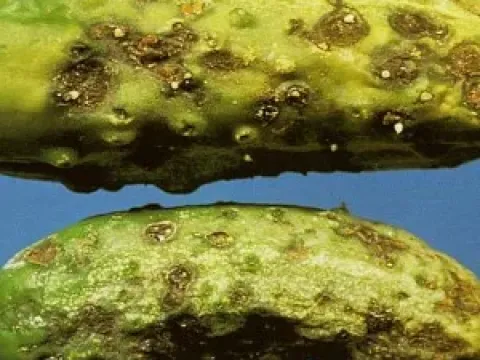
The earliest signs include small, pale green or yellow spots on the upper surface of the leaves, which gradually turn into characteristic brown or olive-colored lesions.
On the undersides of these spots, a distinctive velvety, olive-green or dark grey fungal mat develops, consisting of the pathogen's spore-bearing structures.
- Chlorotic spots on leaves that expand and turn necrotic.
- Olive-grey fungal growth on the underside of leaves.
- Leaf rolling, wilting, and premature senescence.
- Lesions appearing on stems and occasional fruit spotting.
- Widespread defoliation starting from the bottom of the plant.
As the lesions merge, the leaf tissue dies, leading to brittle, dry foliage that eventually drops off, drastically reducing the plant's capacity to produce carbohydrates.
In advanced stages, the infection can spread to floral parts, leading to flower abortion and a significant decrease in the number of fruits set on the plant.
Cultural practices are the first line of defense; these include removing crop debris, as the fungus can overwinter in soil and dead plant tissue.
Improving air circulation through proper spacing and pruning, along with careful irrigation management, reduces the moisture necessary for fungal development.
Chemical control involving copper-based or systemic fungicides should be applied preventatively or at the very first sight of symptoms to mitigate spread.
Planting resistant varieties is the most effective long-term strategy for managing Cladosporium, as modern hybrids are bred to resist various races of the pathogen.
Integrated Pest Management (IPM) programs often utilize biological antagonists to suppress spore germination, helping to maintain a healthy ecosystem without excessive pesticide reliance.