
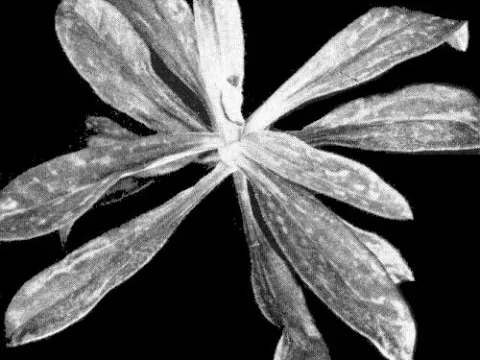
Carnation vein mottle
Carnation vein
The causative agent of this disease is the Carnation vein mottle virus (CVMV), a member of the Potyvirus genus and the Potyviridae family.
What the section contains
Carnation vein mottle
The virus is characterized by flexuous filamentous particles that contain a single-stranded RNA genome, which is typical for all members of this group.
CVMV is non-persistently transmitted by several species of aphids, with Myzus persicae being the most efficient vector in greenhouse environments.
The virus is highly unstable and difficult to isolate without specific molecular diagnostic techniques like ELISA or RT-PCR tests.
Transmission also occurs through mechanical means during cutting, pinching, or harvesting, especially if tools are not sterilized between plants.
The primary host for this virus is the carnation plant (Dianthus caryophyllus), which is economically significant in floriculture.
The disease causes systemic infection throughout the plant, meaning the virus spreads from leaves to roots and reproductive parts such as buds and flowers.
Commercial greenhouses are particularly vulnerable, as the high density of plants and the presence of vectors can lead to rapid spread across the entire crop.
Infected mother plants produce contaminated cuttings, leading to the establishment of diseased plants even before they are transplanted into the soil.
Some wild Dianthus species can harbor the virus, serving as potential reservoirs that facilitate the cycle of infection year after year.
The most prominent symptom is the chlorosis of leaf veins, often referred to as vein clearing, which can be observed upon close inspection of young leaves.
As the infection progresses, leaves may develop mottled patterns, irregular spots, or mosaic symptoms that significantly weaken the plant's photosynthetic ability.
Growth is often stunted, with shorter internodes and thinner stems that struggle to support the development of high-quality flowers.
Floral symptoms include malformation, size reduction, and irregular color break on the petals, which reduces their value for the cut-flower market.
- Vein clearing and leaf chlorosis.
- Mosaic patterning on leaves.
- Stunted growth and thin stems.
- Petal color distortion and flower malformation.
The primary control measure is the exclusive use of certified virus-free cuttings, often produced via meristem-tip culture techniques.
Strict aphid management programs, including the use of insecticides, reflective mulches, and sticky traps, are crucial to reducing viral spread.
All gardening tools, especially knives used for cutting flowers, must be sterilized with appropriate disinfectant solutions to stop the mechanical transfer of the virus.
Rouging, or the prompt removal and destruction of symptomatic plants, is essential to prevent the disease from spreading to adjacent healthy plants.
Maintaining a weed-free area around greenhouses helps to eliminate alternative hosts that might harbor the virus during the non-growing season.