
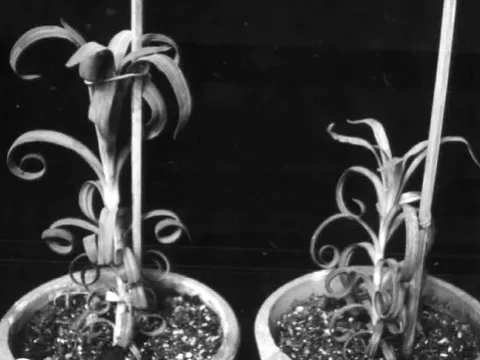
Carnation ringspot
Carnation ringspot
Carnation ringspot virus (CRSV) is a plant pathogenic virus classified within the genus Dianthovirus, known for its significant impact on horticultural crops.
What the section contains
Carnation ringspot
The virus particle is small and spherical, containing a single-stranded RNA genome that disrupts normal plant cell functions upon infection.
CRSV is remarkably persistent in the environment, capable of surviving in soil, irrigation water, and decaying plant materials for extended periods.
Transmission occurs primarily through mechanical contact during routine care, harvesting, or via contaminated greenhouse tools and equipment.
Soil-dwelling nematodes can act as biological vectors, facilitating the spread of the virus throughout the root zones of greenhouse plantings.
The virus primarily affects Dianthus caryophyllus (carnation), leading to reduced growth, lower flower yield, and poor aesthetic quality.
Infected plants exhibit stunted growth, causing significant economic losses for commercial flower growers who rely on high-quality floral stems.
The reduction in plant vigor makes the crops more susceptible to opportunistic fungal and bacterial pathogens, exacerbating the overall damage.
Deformed flowers and irregular blooms significantly decrease the market value of the harvested product, rendering it unsuitable for sale.
Systemic infection persists throughout the life of the plant, ensuring that once established, the virus remains a constant threat to the entire nursery stock.
Symptoms typically manifest as chlorotic rings, spots, or mosaic patterns on the foliage, which may be more visible under cooler climate conditions.
As the disease progresses, leaves may develop necrotic lesions, leading to leaf distortion and premature senescence of the foliage.
In some cases, the virus induces flower breaking or discoloration of petals, significantly altering the intended floral phenotype.
Growth reduction is a common indicator, with infected plants often appearing smaller and less bushy than healthy counterparts.
- Chlorotic rings and spots on leaves.
- Mosaic or mottled foliage patterns.
- Stunted plant growth and reduced vigor.
- Flower distortion and petal discoloration.
- Necrotic lesions in severe infection stages.
The most effective strategy is the use of certified virus-free planting material, often propagated through meristem culture techniques.
Strict sanitation protocols must be enforced, including the sterilization of pruning tools with chemical disinfectants after every contact with a plant.
Prompt roguing, or the removal and destruction of symptomatic plants, is essential to halt the transmission cycle within the greenhouse environment.
Effective management of soil nematode populations and the use of sterilized growing media are critical to preventing root-based infection.
Maintaining optimal growing conditions helps minimize plant stress, thereby enhancing the overall resilience of the crop against viral challenges.