
Carnation mottle virus
Carnation mottle
Carnation mottle virus (CarMV) is a single-stranded RNA virus belonging to the genus Alphacarmovirus within the family Tombusviridae. Its particles are small, spherical, and about 28-30 nm in diameter.
What the section contains
Carnation mottle virus
The virus is highly stable and can remain infectious for extended periods in sap, contaminated tools, or dried plant tissue, making it a persistent challenge in greenhouses.
Detection is primarily achieved through laboratory techniques, with ELISA (Enzyme-Linked Immunosorbent Assay) and RT-PCR being the most reliable methods for accurate identification.
It does not have a specific insect vector, meaning the primary mode of transmission is mechanical, occurring through contact with infected sap during routine gardening activities.
The virus is widely distributed globally, primarily introduced into new areas through infected vegetative cuttings or dormant plant materials used for propagation.
The primary host is the garden carnation (Dianthus caryophyllus), but the virus can infect various other Caryophyllaceae species, acting as a reservoir of infection.
Systemic infection leads to a decrease in plant vigor, slower growth rates, and reduced overall quality of the flowers produced by the affected crops.
In commercial floriculture, infection causes significant economic losses due to lower yields, stunted blooms, and the inability to use infected plants for further propagation.
Once a plant is infected, it remains a permanent carrier of the virus, and the infection cannot be cured through conventional chemical treatments.
The combination of CarMV with other viral pathogens often exacerbates the severity of symptoms, leading to rapid deterioration of the plant's physiological health.
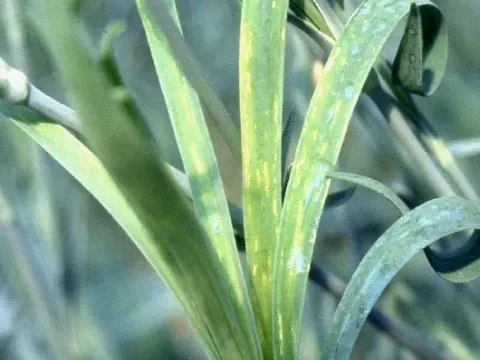
Symptoms often manifest as mild mottling or light green mosaic patterns on leaves, which may go unnoticed due to their subtle nature or the presence of latent infection.
In many cases, plants remain symptomless for long periods, which complicates the visual identification process in greenhouses and nurseries.
When combined with other viruses, visible symptoms may include leaf distortion, vein clearing, and color-breaking or fading in flower petals.
Chronic infection may lead to the development of necrotic spots on older leaves and a general reduction in the size and quality of the blooms.
The appearance of infected plants can vary depending on the cultivar, environmental conditions, and the duration of the infection, often making accurate diagnosis difficult without lab testing.
The cornerstone of control is the use of virus-free planting material, strictly obtained through meristem culture and micropropagation techniques in certified laboratories.
Stringent sanitation protocols are essential, including the disinfection of tools, pots, and surfaces with appropriate antiviral agents between each plant interaction.
Regular monitoring and rapid roguing of any symptomatic or suspicious plants are necessary to prevent the mechanical transmission of the virus to healthy individuals.
Personnel training regarding hygiene practices is crucial, as contaminated hands or clothes are frequently responsible for the rapid spread of the pathogen within greenhouses.
- Use only certified indexed, virus-free mother plants.
- Implement rigorous sanitation for tools and greenhouse equipment.
- Maintain a distance between batches to prevent cross-contamination.
- Regularly test for the presence of the virus in stock plants.