
Botryodiplodia hydrodermia
Botryodiplodia hydrodermia
Botryodiplodia hydrodermia is a fungus belonging to the Dothideomycetes class, recognized as a significant pathogen in tropical and subtropical agriculture.
What the section contains
Botryodiplodia hydrodermia
The fungus reproduces via pycnidia, which are specialized fruiting bodies that release conidia, facilitating the spread of the infection through water splash and wind.
It acts as a primary pathogen that colonizes the bark and cambial tissues, causing significant structural damage to the host plant's transport system.
Systematically, this organism is associated with the Botryosphaeriaceae family, known for causing dieback and canker diseases in a wide range of woody plants.
Molecular and morphological analysis is often necessary to distinguish this species from other related fungi due to overlapping microscopic features.
This pathogen mainly affects rubber trees and other woody crops, causing severe necrotic lesions on stems, trunks, and branches.
The fungal colonization blocks the movement of water and nutrients, which eventually leads to the wilting and death of affected branches or entire trees.
In rubber production, the infection causes significant yield losses by damaging the latex-producing vessels and lowering the overall health of the tree.
The disease often leads to secondary infestations by wood-boring insects, which further exacerbate the decline of the host plant.
Economic losses are cumulative, starting from the reduction of raw material output to the eventual necessity of removing dead trees from plantations.
Early symptoms include dark, sunken spots on the bark, which may eventually expand into large, irregular necrotic patches across the stem.
Gummosis, or the secretion of sap and resin from cracks in the bark, is a common defensive response visible to the naked eye during the infection.
Small, black, pimple-like structures representing the pycnidia appear on the surface of dead tissue, indicating the presence of active fungal sporulation.
The internal tissue of infected branches often shows a distinct brown discolouration, indicating systemic tissue decay caused by the fungal mycelium.
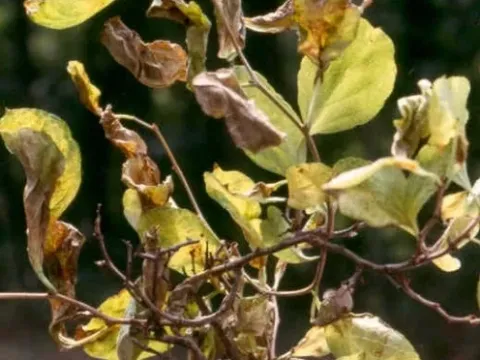
Foliar symptoms include chlorosis, leaf drop, and eventually a sparse canopy, which are direct consequences of the compromised vascular function.
Effective management requires strict sanitation protocols, such as the pruning and burning of all infected plant debris to eliminate inoculum sources.
Protective wound dressings should be applied immediately after any pruning or bark damage to seal off entry points for fungal spores.
Chemical control using copper-based fungicides is recommended during humid seasons to protect sensitive tissues from new infections.
Disinfection of all harvesting and pruning tools is essential to prevent cross-contamination between healthy trees and infected areas.
Maintaining high plant vigor through proper fertilization and water management serves as a crucial defensive strategy against Botryodiplodia attacks.