
Botryodiplodia theobromae
Botryodiplodia theobromae
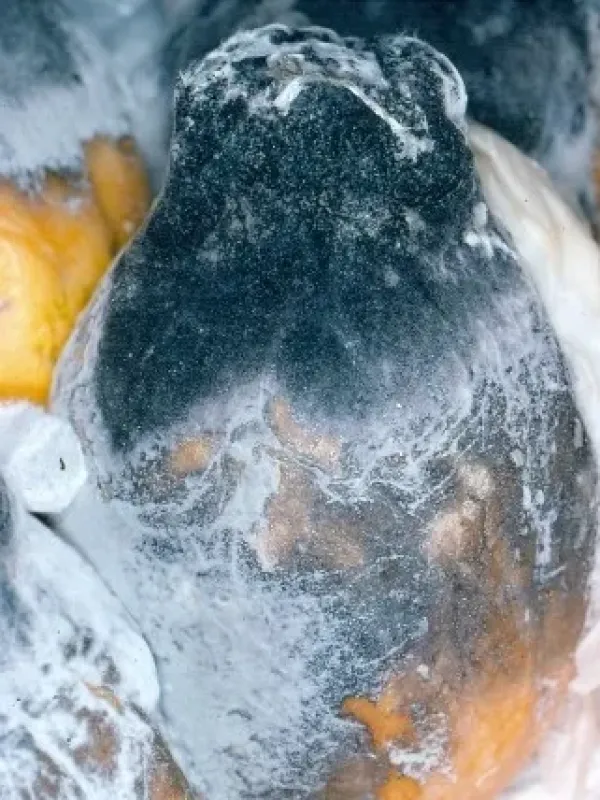
Description
How to identify
Botryodiplodia theobromae (synonym Lasiodiplodia theobromae) is a significant plant pathogenic fungus belonging to the Botryosphaeriaceae family.
It is classified as an ascomycete fungus and acts as a severe polyphagous pathogen, affecting a vast range of hosts including woody plants, fruits, and vegetables.
The fungus produces pycnidia, which are dark, flask-shaped reproductive structures embedded in the host tissue that release abundant dark, two-celled conidia.
Its mycelial growth is rapid under tropical conditions, allowing it to colonize host tissue extensively before external symptoms become visible.
Taxonomically, it is a well-studied agent in agricultural pathology, known for its ability to persist in diverse environments including soil and plant debris.
What it damages
The pathogen causes severe economic losses by inducing various diseases such as dieback, collar rot, stem rot, and crown rot in numerous commercial crops.
Banana, cacao, mango, citrus, and papaya are among the most susceptible hosts, where the fungus causes rapid post-harvest degradation of fruit quality.
In woody plants, it causes perennial cankers on stems and branches, which can lead to the death of the entire plant if the infection girdles the stem.
Seedlings in nurseries are highly vulnerable, often dying prematurely due to the destruction of root systems and the vascular tissues at the stem base.
The damage is compounded by the fact that the fungus can infect healthy-looking fruits in the field, leading to outbreaks during storage and shipment.
When it appears
The development of Botryodiplodia theobromae is strongly correlated with high humidity and warm temperatures, typically ranging from 25°C to 35°C.
Rainy seasons provide the optimal moisture levels required for the dispersal of conidia via water splashes and their subsequent germination on host surfaces.
Infections often occur during the harvest period, as wounds and injuries on fruit skin serve as primary entry points for the pathogen.
Post-harvest storage acts as an incubation period where the fungus thrives if the cold chain is broken or ventilation is insufficient.
In dry or cool seasons, the fungus remains dormant in the soil or in infected woody tissues, maintaining its survival capacity until conditions improve.
Signs of infestation
Initial signs include small water-soaked lesions that rapidly expand and turn into necrotic, black, or dark-brown patches on fruit surfaces.
Infected branches exhibit discolored bark and the formation of deep fissures, often accompanied by gumosis (oozing of sap) in certain tree species.
- Blackened stem-end area on harvested fruits.
- Softening of tissues leading to fruit rot.
- Small black pycnidia appearing on the surface of dead tissue.
- Wilting and dieback of terminal shoots.
- Internal browning of the vascular system in stems.
The fungus produces a grayish mycelial mat under high humidity, often concealing the underlying rot before it consumes the entire fruit.
Control measures
Effective management requires a combination of cultural practices, including the strict removal and destruction of all infected plant materials.
Ensuring that the orchard is well-managed, with minimal mechanical damage to plants, significantly reduces the probability of fungal entry.
Post-harvest treatment with approved fungicides applied to the fruit stem-ends is standard practice to prevent storage rots in international trade.
Temperature control during transit is paramount; maintaining temperatures below 15°C can significantly inhibit the metabolic activity of the fungus.
Biological control agents, such as certain species of Trichoderma, have shown promise in reducing the incidence of the disease in nursery settings.
Causes diseases · 1
Discussion
No discussions yet — be the first.