
Pseudomonas syringae
Pseudomonas syringae
Description
How to identify
Pseudomonas syringae is a gram-negative bacterium belonging to the kingdom Bacteria and the family Pseudomonadaceae. It is a highly versatile and devastating plant pathogen with a broad host range.
The bacterium is characterized by its motility, facilitated by one or more polar flagella, which allows it to thrive in aquatic environments on plant surfaces.
A unique biological feature of this pathogen is its ice-nucleating protein production, which can trigger frost damage in host plants at temperatures just below freezing.
It exists in two distinct phases: an epiphytic stage, where it survives on the surface of healthy tissues, and a pathogenic stage, where it invades the plant through natural openings or wounds.
In laboratory cultures, the colonies typically appear as mucilaginous, often displaying a greenish fluorescence under specific conditions due to the production of siderophores.
What it damages
The pathogen affects a diverse array of crops, including stone and pome fruits, various vegetables like tomatoes and beans, and many ornamental garden species.
The infection leads to reduced yields, lower quality of produce, and in severe cases, the death of entire branches or mature plants, resulting in significant financial losses.
In fruit trees, the infection causes severe cankers and tissue necrosis, which limits the tree's ability to transport water and nutrients effectively.
Vegetable crops often exhibit blight-like symptoms, where rapid wilting and tissue degradation prevent the development of healthy fruits.
Chronic infections weaken the overall vigor of the host plant, making it more susceptible to environmental stress and secondary infections by other microorganisms.
When it appears
The pathogen thrives during periods of cool, wet weather, particularly in spring and autumn, as free moisture is essential for its dispersal and entry into host tissues.
Infection cycles are initiated when bacteria are splashed by rain or wind onto susceptible plant parts, utilizing stomata or micro-wounds for colonization.
Pseudomonas syringae overwinters in infected plant tissues, such as tree bark, buds, and pruning debris, as well as in the top layer of the soil.
Spring frosts frequently exacerbate the disease, as injured plant tissues provide the perfect entry points for the bacteria to penetrate and colonize rapidly.
Dissemination is further aided by human activity, such as contaminated pruning equipment, which serves as a major vector for spreading the disease across orchards.
Signs of infestation
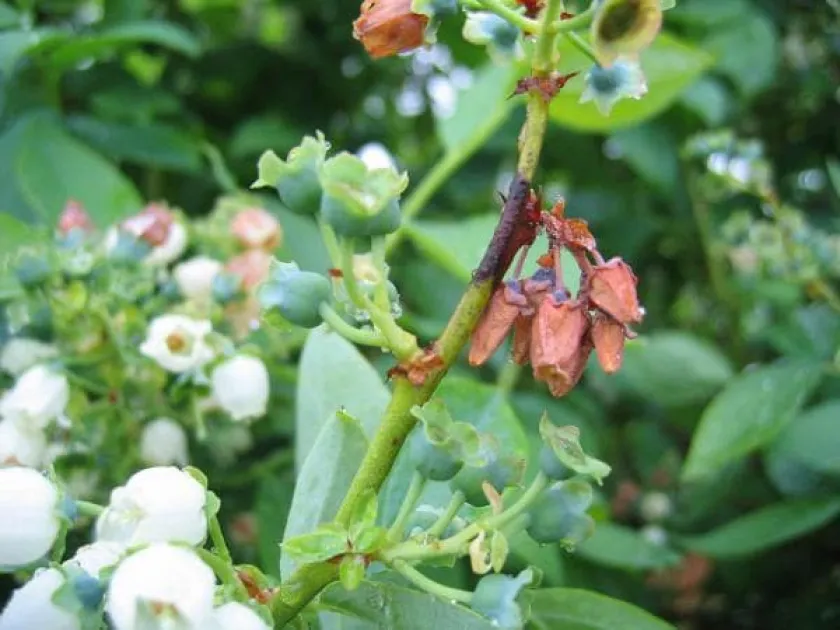
Typical symptoms include the appearance of necrotic, water-soaked spots on leaves, often characterized by a yellowish halo and darkening over time.
Cankers often form on twigs and trunks, occasionally accompanied by the oozing of sticky bacterial exudate or gum during humid weather conditions.
Fruit symptoms are manifested as sunken, dark lesions or pitted spots, rendering them aesthetically unappealing and prone to rotting.
Shoot dieback and blossom blast are common signs, leading to significant flower and fruit drop, which severely limits the harvest potential.
- Necrotic leaf lesions with yellow halos.
- Bacterial oozing and gumming on branches.
- Shoot blight and dieback.
- Blossom blast and withered buds.
- Pitted, necrotic spots on fruit surfaces.
Control measures
The most effective strategy involves the use of certified, disease-free planting material and the selection of resistant cultivars bred for regional climatic conditions.
Sanitation is critical: pruning and removing infected branches—ensuring tools are disinfected with alcohol between cuts—can significantly reduce the disease spread.
Chemical control usually relies on copper-based bactericides applied during the plant's dormant stage, particularly following leaf fall and before spring bud break.
Good agricultural practices, including proper orchard sanitation and maintaining open canopy structures, help ensure good air circulation to minimize moisture accumulation.
Avoiding mechanical injuries to plant trunks and stems during cultivation or harvesting is essential to prevent creating portals for bacterial entry.
Causes diseases · 7
Discussion
No discussions yet — be the first.