
Agrobacterium vitis
Agrobacterium vitis
Description
How to identify
Agrobacterium vitis is a gram-negative, soil-borne bacterium that causes crown gall, a significant disease in grapevines. It belongs to the Rhizobiaceae family and is a specialized plant pathogen that targets Vitis species specifically.
The bacterium is known for its ability to transfer a portion of its DNA, known as T-DNA, into the host plant's genome. This genetic integration leads to the abnormal, uncontrolled proliferation of plant cells, resulting in the formation of tumor-like growths called galls.
Unlike other agrobacteria, Agrobacterium vitis is highly adapted to the internal environment of the grapevine. It is often found systemically within the vascular system of plants, even in specimens that show no outward symptoms of infection.
The pathogen thrives in temperate climates and can persist in soil or infected plant debris for several years. Its ability to remain latent in grapevine tissues makes it a primary threat in nursery operations and propagation programs.
Survival of the bacterium is facilitated by its ability to colonize the xylem vessels. When environmental conditions trigger physiological stress, the pathogen can emerge from dormancy and initiate rapid disease progression.
What it damages
The main host for Agrobacterium vitis is the grapevine (Vitis vinifera). The disease affects the roots, trunk, and cordons of the plant, disrupting the transport of water and essential nutrients from the roots to the canopy.
Infected vines exhibit stunted growth, reduced vigor, and poor fruit production. As the galls expand, they can physically girdle the trunk, causing the partial or complete death of the aerial parts of the vine above the infection site.
Crown gall significantly reduces the cold hardiness of the grapevine. Vines affected by the pathogen are much more susceptible to frost damage, which in turn leads to more wounds that allow further colonization by the bacteria.
Spread occurs primarily through contaminated nursery stock and infected pruning tools. Once a vineyard is infested, the pathogen becomes deeply established in the soil, creating a long-term management challenge for growers.
The economic impact is substantial, as infected vines often require removal and replacement, resulting in lost production years and increased operational costs for vineyard rejuvenation.
Signs of infestation
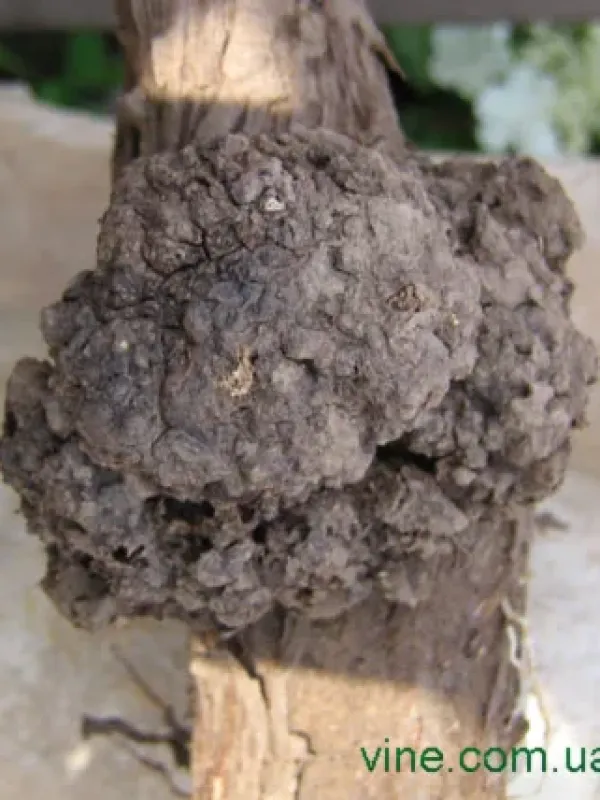
The most distinctive sign of Agrobacterium vitis infection is the development of galls at the crown, graft union, or on the roots. Initially, these galls appear as soft, pale, callus-like tissue that develops rapidly during the growing season.
As the galls mature, they harden, turn dark brown or black, and develop a rough, corky surface. Their size can vary from small nodules to large, deformed masses several centimeters in diameter.
Foliar symptoms may include chlorosis, leaf curling, and overall thinning of the canopy. In cases of severe root infection, the plant may show signs of water stress even when soil moisture levels are adequate.
Cross-sections of the galls reveal a disorganized, spongy structure of tissue that lacks the organized anatomy of normal wood. This internal decay is often accompanied by necrotic areas where the plant tissue has died.
Visual identification is most effective in the spring, as the rapid growth of the galls coincides with the start of the sap flow, making them stand out against the dormant wood of the vines.
Control measures
There is no known chemical cure for crown gall; therefore, management is focused on prevention and cultural practices. Maintaining a strict sanitation program is the most effective approach to control the spread.
- Use certified, disease-free planting material from reliable nurseries.
- Sanitize pruning shears and other tools with 10% bleach or alcohol solutions between individual vines.
- Minimize mechanical wounds on trunks and roots during cultivation and pruning.
- Remove and destroy severely infected vines, ensuring that as much of the root system as possible is extracted.
- Promote vine health through balanced nutrition and proper water management to increase natural stress resistance.
Growers should avoid planting new grapevines in areas where crown gall was previously identified for at least 3 to 5 years. This allows for the natural decline of the bacterial population in the soil.
Proper site selection and climate management are also crucial. By preventing winter injury, growers can significantly reduce the number of potential infection sites and protect the long-term viability of the vineyard.
Causes diseases · 1
Discussion
No discussions yet — be the first.