
Acidovorax avenae
Acidovorax avenae
Description
How to identify
Acidovorax avenae is a Gram-negative, motile, rod-shaped bacterium belonging to the family Comamonadaceae. It is a specialized phytopathogen that primarily affects monocotyledonous plants.
Taxonomically, it is classified under the kingdom Bacteria, phylum Pseudomonadota, class Betaproteobacteria. It operates as an obligate parasite, thriving within the vascular tissues and intercellular spaces of host plants.
The bacterium infects plants through natural openings, such as stomata and hydathodes, or through wounds caused by insects, hail, or agricultural machinery during cultivation.
Optimal development occurs under high humidity and moderate temperatures. The pathogen is known for its ability to persist in seeds, soil, and crop debris, making it a persistent threat in many regions.
Transmission occurs primarily through rain splashes, wind-driven moisture, and contact with contaminated farm equipment, which serves as a major vector for spread within and between fields.
What it damages
This pathogen impacts a variety of cereal crops, with major hosts including oats, corn (maize), rice, wheat, and barley. It also infects several wild grass species, which serve as alternative reservoirs.
In oats and corn, the infection manifests as bacterial leaf blight or streak, characterized by chlorotic and necrotic lesions that disrupt the plant's physiological functions.
The primary damage is a significant reduction in the photosynthetic area, which directly correlates to stunted growth, reduced biomass, and substantial grain yield losses.
Seedlings can be severely affected, leading to damping-off and poor stand establishment, which often necessitates costly replanting of infected areas.
Beyond yield loss, the quality of the harvested grain is significantly compromised, as contaminated seeds often harbor the bacteria, threatening the next season's crop.
When it appears
Primary infection typically occurs at the germination and emergence stages, often stemming from contaminated seed or soil-borne inoculum carried over from previous seasons.
The most active disease progression happens during the tillering and stem elongation phases, especially if weather conditions remain humid and temperate.
Secondary spread is facilitated by recurring rainfall throughout the growing season, which allows the bacterial cells to be splashed onto healthy upper leaves and neighboring plants.
Hot and dry periods can suppress the active spread of the bacterium, yet the pathogen remains viable in a dormant state within dried plant tissues or soil particles.
As the season concludes, the bacterium transitions into a survival mode, colonizing plant residues and surviving until the cycle is reinitiated by favorable weather in the following spring.
Signs of infestation
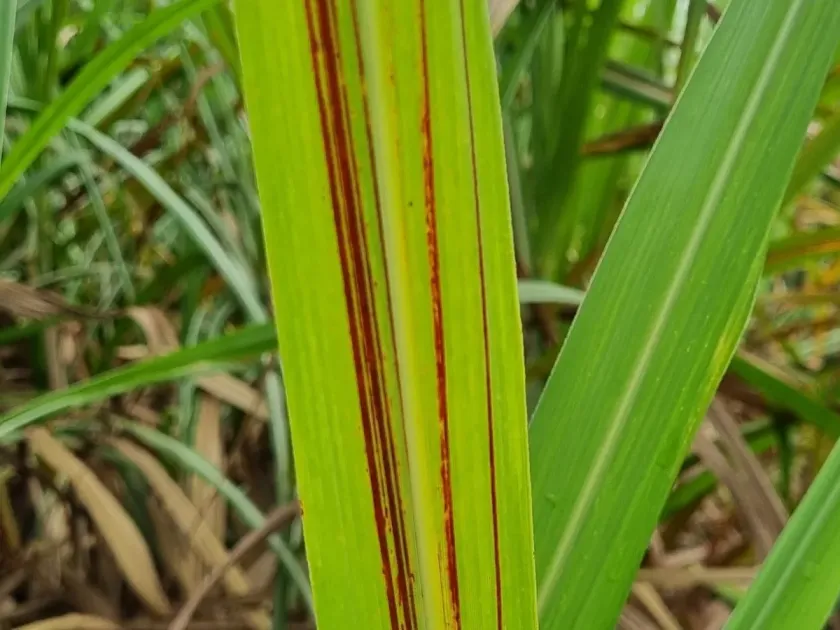
Early symptoms include small, water-soaked spots that gradually expand into elongated, brown or tan-colored streaks along the leaf veins.
A characteristic diagnostic feature is the presence of bacterial exudate, which appears as a shiny, translucent film or crust on the leaf surface under dry conditions.
Stems may show signs of discoloration or softening, potentially leading to wilting and lodging of the entire plant if the vascular system is heavily colonized.
Affected foliage undergoes yellowing (chlorosis) followed by tissue necrosis, with the damage often progressing from the leaf tips downwards.
Severe infestations cause premature senescence, giving the field a blighted appearance and reducing the plant's overall vigor and stress tolerance.
Control measures
The most effective management strategy is the use of high-quality, certified pathogen-free seeds, which eliminates the primary source of infection.
Implementing a robust crop rotation plan is essential; avoiding susceptible cereals for several years helps significantly reduce the bacterial population in the soil.
- Seed treatment with bactericides to prevent early-stage infection.
- Aggressive weed control to eliminate alternative hosts for the bacterium.
- Deep plowing or incorporation of crop residues to accelerate the decay of infected material.
Copper-based sprays applied during the vegetative stage can help mitigate bacterial spread, particularly in regions where environmental conditions favor the pathogen.
Breeding and utilizing resistant cultivars remains the long-term solution for managing Acidovorax avenae in commercial agricultural production systems.
Causes diseases · 1
Discussion
No discussions yet — be the first.