


SKU #65819
·
35 views
GRÜNTALER
Zucchini
Ваше хозяйствоUser rating
0 votes0% positive reviews
No ratings yet — be the first.
Fruit; flower
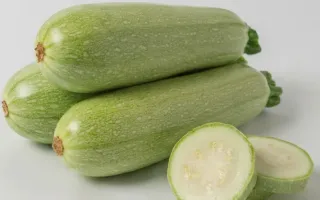
Light Green
Fruit; shape
Cylindrical
Fruit; length
18-20cm
Fruit; weight
200-500 grams
About product

Grüntaler zucchini is an ultra-early variety distinguished by its high yield and ease of cultivation. The plant adapts well to various conditions, including heat and drought; however, for maximum yield, regular and abundant watering with warm water at the root is recommended, especially during fruiting. Seedlings are transplanted to open ground in early June, maintaining a distance of at least 60…
Fruit; flower
Light Green
Fruit; shape
Cylindrical
Fruit; length
18-20cm
Fruit; weight
200-500 grams
Description
Grüntaler zucchini is an ultra-early variety distinguished by its high yield and ease of cultivation. The plant adapts well to various conditions, including heat and drought; however, for maximum yield, regular and abundant watering with warm water at the root is recommended, especially during fruiting. Seedlings are transplanted to open ground in early June, maintaining a distance of at least 60 cm between holes, while 2-3 seeds are placed in each hole. To improve fruit and ovary development, large leaves should be removed to ensure access to sunlight and nutrients.
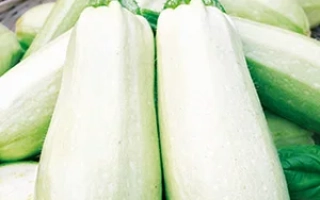
Grüntaler zucchini fruits have an elongated cylindrical shape, measuring 15 to 25 cm in length, with a light green color featuring dark green longitudinal stripes and pale green speckles. The flesh is tender white or cream-white, juicy and delicate, with a thin silvery skin, 2.3-3 cm thick. Fruit weight varies from 0.4 to 2.8 kg, allowing for abundant yields from a single bush — up to 92 fruits and up to 7 kg per square meter.
The Grüntaler variety is disease-resistant and well-suited for open-field cultivation. Due to its taste qualities and juicy flesh, the zucchini is widely used in dietary nutrition and the preparation of various dishes. Harvest is conducted from July to September, with fruits cut 1-2 times a week to stimulate the formation of new ovaries and maintain high fruiting levels.
Grüntaler zucchini fruits have an elongated cylindrical shape, measuring 15 to 25 cm in length, with a light green color featuring dark green longitudinal stripes and pale green speckles. The flesh is tender white or cream-white, juicy and delicate, with a thin silvery skin, 2.3-3 cm thick. Fruit weight varies from 0.4 to 2.8 kg, allowing for abundant yields from a single bush — up to 92 fruits and up to 7 kg per square meter.
The Grüntaler variety is disease-resistant and well-suited for open-field cultivation. Due to its taste qualities and juicy flesh, the zucchini is widely used in dietary nutrition and the preparation of various dishes. Harvest is conducted from July to September, with fruits cut 1-2 times a week to stimulate the formation of new ovaries and maintain high fruiting levels.
Video · 1 video
Suggest a video →Crop & resistance
Crop
Specifications hover over for a hint about the specification
|
Fruit; flower
Fruit; flower
At technical maturity, fruit color varies from white, light purple to dark purple. |
|
|---|---|
|
Fruit; shape
Fruit; shape
Spherical, oval, flattened or cylindrical shape. |
|
|
Fruit; length
Fruit; length
Length from 6 to 70 cm. |
18-20cm |
|
Fruit; weight
Fruit; weight
Table watermelons weigh 0.6-16 kg. |
200-500 grams |
| Registration year | 2020 |
| Catalog | Catalog → Zucchini |
| Manufacturer | Ваше хозяйство |
| Legal data |
Show · 2
|
| Country | Russia |
Store offers
Prices are updated on loadLoading offers…
Aggregator catalog: prices are collected automatically from store websites, normalized by AI and converted at the current exchange rate. Before ordering, confirm the price and availability on the store's website. This block is not indexed by search engines — the data is loaded after the page opens.
Not yet комментариев. Be the first!
Alternatives
Zucchini seeds · similar varieties




See also
Often considered together with this variety





Recently viewed
Products you’ve viewed on this site
Reviews · 0