

SKU #44561
·
57 views
Lavina
Zucchini
Приватне підприємство "Агросвіт"User rating
0 votes0% positive reviews
No ratings yet — be the first.
Plant Type
Shrubbery
Fruit; flower
Light Green
Fruit; shape
Cylindrical
Fruit; length
18-20cm
Prices in stores
from8.91 €per 1000 seeds
pack from 0.81 € per 5 pcs
7 offers from 3 stores
Store offers · 7 from 3 stores
Prices are updated on loadLoading offers…
Available at: Agrolife · LuckySeed · Сади Буковини · Yaskrava Klumba
Aggregator catalog: prices are collected automatically from store websites, normalized by AI and converted at the current exchange rate. Before ordering, confirm the price and availability on the store's website. This block is not indexed by search engines — the data is loaded after the page opens.
About product

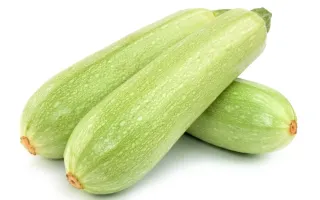
Lavina F1 zucchini — an early, high-yielding bush-type hybrid developed by Ukrainian breeders. The plant is compact and bushy, suitable for cultivation on small plots. The fruits are cylindrical, with a pale olive or light green color, reaching 15-20 cm in length and 5-7 cm in diameter, with an average weight of 200-400 grams. The flesh is moderately dense, succulent, tender, and flavorful. The sk…
Plant Type
Shrubbery
Fruit; flower
Light Green
Fruit; shape
Cylindrical
Fruit; length
18-20cm
Description
Lavina F1 zucchini — an early, high-yielding bush-type hybrid developed by Ukrainian breeders. The plant is compact and bushy, suitable for cultivation on small plots. The fruits are cylindrical, with a pale olive or light green color, reaching 15-20 cm in length and 5-7 cm in diameter, with an average weight of 200-400 grams. The flesh is moderately dense, succulent, tender, and flavorful. The skin does not harden upon overripening, making the fruits versatile for fresh consumption and processing, such as making tasty caviar and marinades.
The Lavina hybrid exhibits high drought resistance and is practically immune to major infectious diseases such as powdery mildew, downy mildew, anthracnose, and bacterial blight. However, during cultivation, pests such as squash aphids, spider mites, and thrips should be taken into account. The zucchini responds well to both organic and mineral fertilizers and can be grown either as seedlings or directly sown. The seedling method allows for earlier harvest by two weeks but requires greater labor and costs.
For successful cultivation of Lavina zucchini, neutral soils are recommended, as heavy clay and peat soils are less suitable for this crop. If necessary, soil acidity should be adjusted and lime added, avoiding fresh liming. Suitable preceding crops include winter wheat, annual green feed crops, various cabbage varieties, onions, and root vegetables. It is not recommended to plant zucchini after cucumbers, zucchini, or other squash crops for 3-4 years to avoid reduced yields.
The Lavina hybrid exhibits high drought resistance and is practically immune to major infectious diseases such as powdery mildew, downy mildew, anthracnose, and bacterial blight. However, during cultivation, pests such as squash aphids, spider mites, and thrips should be taken into account. The zucchini responds well to both organic and mineral fertilizers and can be grown either as seedlings or directly sown. The seedling method allows for earlier harvest by two weeks but requires greater labor and costs.
For successful cultivation of Lavina zucchini, neutral soils are recommended, as heavy clay and peat soils are less suitable for this crop. If necessary, soil acidity should be adjusted and lime added, avoiding fresh liming. Suitable preceding crops include winter wheat, annual green feed crops, various cabbage varieties, onions, and root vegetables. It is not recommended to plant zucchini after cucumbers, zucchini, or other squash crops for 3-4 years to avoid reduced yields.
Crop & resistance
Crop
Disease resistance
Specifications hover over for a hint about the specification
| Plant Type | |
|---|---|
|
Fruit; flower
Fruit; flower
At technical maturity, fruit color varies from white, light purple to dark purple. |
|
|
Fruit; shape
Fruit; shape
Spherical, oval, flattened or cylindrical shape. |
|
|
Fruit; length
Fruit; length
Length from 6 to 70 cm. |
18-20cm |
|
Fruit; weight
Fruit; weight
Table watermelons weigh 0.6-16 kg. |
200-500 grams |
| Registration year | 2016 |
| Catalog | Catalog → Zucchini |
| Manufacturer | Приватне підприємство "Агросвіт" |
| Country | Ukraine |
Not yet комментариев. Be the first!
Alternatives
Zucchini seeds · similar varieties





See also
Often considered together with this variety




Recently viewed
Products you’ve viewed on this site
Reviews · 0