


SKU #36647
·
71 views
Barba
Wheat
POLJOPRIVREDNI INSTITUT OSIJEKUser rating
0 votes0% positive reviews
No ratings yet — be the first.
Type of Development
Winter wheat
Potential Yield
6-7 tons
Registration year
2023
Store offers · 5 from 3 stores
Prices are updated on loadLoading offers…
Available at: Agrotorg · ePole · Yason Agro
Aggregator catalog: prices are collected automatically from store websites, normalized by AI and converted at the current exchange rate. Before ordering, confirm the price and availability on the store's website. This block is not indexed by search engines — the data is loaded after the page opens.
About product

A stable winter wheat variety with comprehensive genetic resistance to rust and head blight.
Type of Development
Winter wheat
Potential Yield
6-7 tons
Registration year
2023
Description
Genetic Potential and Disease Resistance
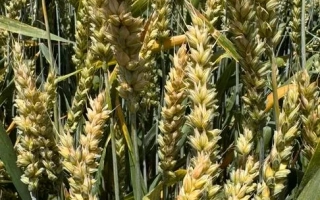
Winter wheat "Barba" from the Croatian breeding center Poljoprivredni Institut Osijek is a balanced solution for farmers focused on reliability in intensive farming systems. The breeders have prioritized comprehensive phytosanitary resistance, which is critical for reducing expenditure on fungicide treatments during the growth cycle.
Phytopathological Profile
The variety shows high genetic resistance to key cereal pathogens:
- Rust Diseases: Increased resistance to yellow and brown rust allows the plant to maintain the photosynthetic surface of the leaves until physiological maturity, which directly impacts grain filling.
- Powdery Mildew: Effective resistance prevents the premature death of the lower leaf tiers.
- Fusarium Head Blight: Resistance to this pathogen minimizes the risks of mycotoxin accumulation, which is critical for the quality of the commercial grain.
Yield and Agronomic Performance
The yield potential of 6–7 tons per hectare is achieved through intensive tillering and optimal ear architecture. As a winter crop, "Barba" possesses significant adaptability to overwintering, a hallmark of the Osijek Institute's breeding program. Successful cultivation of this variety depends on adhering to sowing schedules and ensuring balanced mineral nutrition to fully realize the ear's potential. Incorporating this variety into crop rotation is justified in fields where a combination of high stress tolerance and predictable yields is required without excessive pesticide pressure.
Crop & resistance
Crop
Disease resistance
Specifications
| Type of Development | |
|---|---|
| Potential Yield | 6-7 tons |
| Registration year | 2023 |
| Catalog | Catalog → Wheat |
| Manufacturer | POLJOPRIVREDNI INSTITUT OSIJEK |
| Legal data |
Show · 6
|
Not yet комментариев. Be the first!
Alternatives
Wheat seeds · similar varieties




See also
Often considered together with this variety





Recently viewed
Products you’ve viewed on this site
Reviews · 0