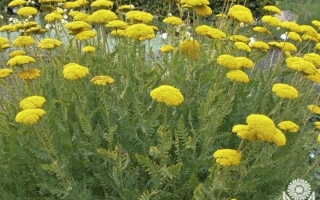
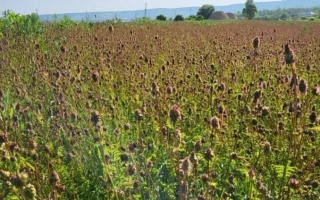
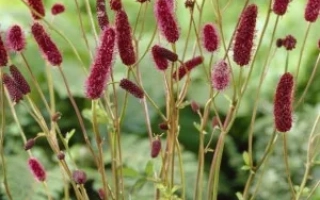
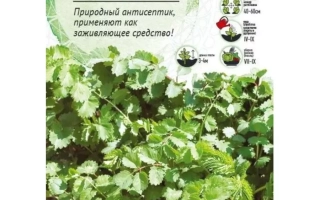
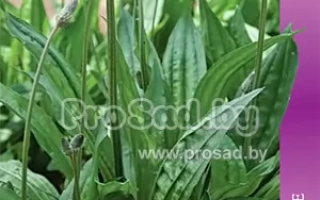
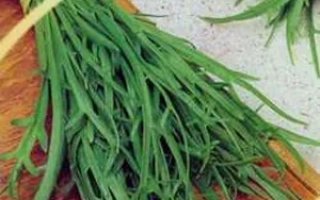
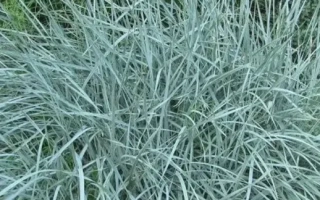
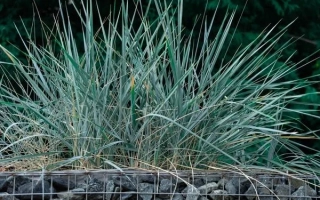
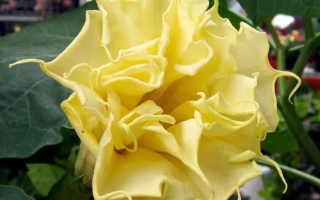
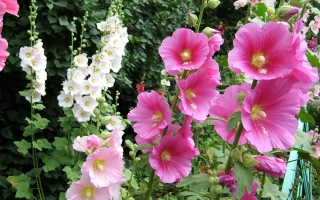
Vasurinskiy yarrow (Achillea millefolium L.) – a perennial erect plant, reaching a height of 70 to 140 cm depending on the year of growth. The stem is pubescent, leaves are dark green, corrugated and covered with soft fluffy wool, which gives the plant a characteristic decorative look.
Flowering occurs from June to September: white inflorescences form dense spikes, and fruits ripen in July–October. The vegetation period is 120–128 days, the plant is characterized by high frost resistance and drought resistance, which makes it suitable for cultivation both in garden and garden conditions.
In medicine, Vasurinskiy yarrow is valued for its anti-inflammatory and bactericidal properties. Grass and flowers are used in the form of infusions, decoctions and extracts for diseases of the gastrointestinal tract, peptic ulcer and gastritis; the infusion has a hemostatic effect and is used for headaches, night leg cramps, anemia. In addition, compresses from the plant are used to treat abscesses and suppurating wounds.