


SKU #51868
·
41 views
Tomato JAPANESE CRAB
Tomato
LLC AGRIFIRM 'DEMETER-SIBERIA'User rating
0 votes0% positive reviews
No ratings yet — be the first.
Product Type
Seeds; Seed material
Plant Type
Indeterminate
Maturation Period
100-120 days
Fruit Weight
More than 200 grams
Prices in stores
from3.67 €per 1000 seeds
pack from 0.09 € per pack
13 offers from 6 stores
Store offers · 13 from 6 stores
Prices are updated on loadLoading offers…
Available at: Agrona · Agroretail · Bat Opt · Цибулинка · Rodnoj Sad · Vegan-Tehnika · Веснодар
Aggregator catalog: prices are collected automatically from store websites, normalized by AI and converted at the current exchange rate. Before ordering, confirm the price and availability on the store's website. This block is not indexed by search engines — the data is loaded after the page opens.
About product

Tomato Japanese Crab is a medium-maturing indeterminate variety characterized by high yield and excellent taste. The plant is tall, reaching up to 2 meters in height in greenhouses, with bushy, densely leafed stems. It is recommended to train the plant into one or two stems with mandatory suckering and support for optimal development. To obtain larger fruits, flower trusses are pinched, leaving 4-…
Product Type
Seeds; Seed material
Plant Type
Indeterminate
Maturation Period
100-120 days
Fruit Weight
More than 200 grams
Description
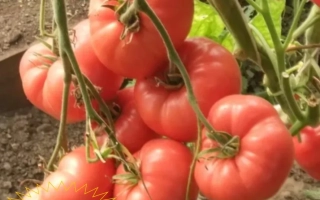
Tomato Japanese Crab is a medium-maturing indeterminate variety characterized by high yield and excellent taste. The plant is tall, reaching up to 2 meters in height in greenhouses, with bushy, densely leafed stems. It is recommended to train the plant into one or two stems with mandatory suckering and support for optimal development. To obtain larger fruits, flower trusses are pinched, leaving 4-6 flowers. The variety is resistant to tobacco mosaic virus, as well as to blossom and root rot, making it a reliable choice for cultivation in various climatic conditions, including harsh Siberian regions. The fruits of Tomato Japanese Crab have a flat-round shape with noticeable ribbing, resembling a crab claw, which gave the variety its name. They are large, weighing from 300 to 500 grams, with individual specimens reaching 800–900 grams. The skin is thin and tender, the flesh is juicy, succulent, and slightly sweet with a tangy note, making these tomatoes ideal for fresh consumption. The fruits are a vibrant, bright pink color with a glossy surface and a multi-chambered structure (5–7 chambers). Due to their juiciness and flavor, tomatoes are excellent for salads, sandwiches, and slicing, as well as for processing into ketchup, relish, pasta, or juice, which turns out thick and rich. The maturation period of the variety is approximately 110–120 days from seed sowing. Japanese Crab is successfully grown both in open ground and in greenhouses with plastic cover, demonstrating good adaptability to temperature fluctuations and various growing conditions. With proper agronomy, one square meter can yield up to 10–11 kg, and one plant can produce up to 5 kg of fruit. Tomatoes tolerate short-distance transport and brief storage, but are best consumed fresh immediately after harvest.
Video · 10 videos
Suggest a video →Crop & resistance
Crop
Disease resistance
Specifications hover over for a hint about the specification
| Product Type | |
|---|---|
| Plant Type | |
|
Maturation Period
Maturation Period
Vegetation period from emergence to technical maturity 30-50 days. |
100-120 days |
|
Fruit Weight
Fruit Weight
Tomato fruits are classified by weight as: very small — less than 20 grams; small — 20 — 50 grams; medium — 50 — 100 grams; large — 100 — 200 grams; very large — more than 200 grams. |
More than 200 grams |
|
Fruit Shape
Fruit Shape
Modern tomato varieties have a diverse fruit shape: flat, flat-round, round, oval, elongated-oval, pear-shaped, plum-shaped, cube-shaped, and cylindrical. On poorly fertile soils and under unfavorable growing conditions, tomato fruits may take on a more rounded shape. |
|
|
Fruit Color
Fruit Color
The fruit color of tomato varieties is influenced by the combination of skin and flesh color. Some varieties have transparent skin, others — yellow. When combined differently, the fruits can acquire quite diverse colors. The fruit color is affected by pigments (lycopene) and thei... |
|
|
Number of chambers
Number of chambers
An important agronomic trait closely related to fruit size, fleshiness, and seed count. The number of chambers in tomato fruits, or locules, ranges from 2 to over 20. They are determined by counting on a cross-section. Multichamberedness is a trait indicating larger fruit size an... |
|
| Transportability | |
|
Storage
Storage
Depending on the variety characteristics, the storage period for heads may vary from one month for early varieties to eight months for late cabbage varieties. |
Up to 10 days |
|
Yield
Yield
Overall bulb harvest per unit area. Depends on both onion variety characteristics and agronomic practices, fertilizers, and irrigation. Under optimal growing conditions, an onion yield of 100 tons per hectare and above is not considered record-breaking. |
70-100 tons |
| Registration year | 2007 |
| Catalog | Catalog → Tomato |
| Manufacturer | LLC AGRIFIRM 'DEMETER-SIBERIA' |
| Country | Russia |
Not yet комментариев. Be the first!
Alternatives
Tomato seeds · similar varieties







See also
Often considered together with this variety




Recently viewed
Products you’ve viewed on this site
Reviews · 0