

SKU #51531
·
38 views
Kyoto
Tomato
User rating
0 votes0% positive reviews
No ratings yet — be the first.
Product Type
Seeds; Seed material
Plant Type
Indeterminate
Maturation Period
90-100 days
Fruit Weight
More than 200 grams
Prices in stores
from7.31 €per 1000 seeds
pack from 7.31 € per 1 000 pcs
2 offers from 2 stores
Store offers · 2 from 2 stores
Prices are updated on loadLoading offers…
Available at: Delta Agromarket · Фермер Центр · Ledaagro
Aggregator catalog: prices are collected automatically from store websites, normalized by AI and converted at the current exchange rate. Before ordering, confirm the price and availability on the store's website. This block is not indexed by search engines — the data is loaded after the page opens.
About product

Tomato KYOTO is a high-yielding indeterminate hybrid, intended for cultivation in winter and plastic greenhouses, as well as under light culture. Plants are tall, reaching 170-180 cm, requiring staking and training into a single stem with removal of suckers. The first flowering node is formed above the 11th-12th leaf, subsequent nodes appear every three leaves. Bunches are short, with even ripenin…
Product Type
Seeds; Seed material
Plant Type
Indeterminate
Maturation Period
90-100 days
Fruit Weight
More than 200 grams
Description
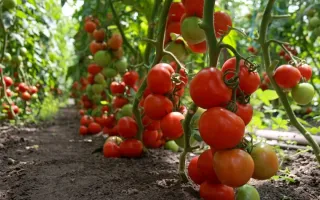
Tomato KYOTO is a high-yielding indeterminate hybrid, intended for cultivation in winter and plastic greenhouses, as well as under light culture. Plants are tall, reaching 170-180 cm, requiring staking and training into a single stem with removal of suckers. The first flowering node is formed above the 11th-12th leaf, subsequent nodes appear every three leaves. Bunches are short, with even ripening of large fruits, which have a flat-round shape and bright pink color without green spot. Fruit weight varies from 200 to 350 grams, they are juicy, aromatic and sweet, making the hybrid especially valuable for salad use. The variety is characterized by early maturity — from germination to the start of fruiting, it takes 90-98 days. Thanks to high cold resistance and resistance to a number of diseases, including powdery mildew, tomato mosaic virus, verticillium, fusarium, cladosporiosis and nematodes, tomato KYOTO ensures stable and prolonged fruiting. Yield reaches 9.8 kg per square meter when following a planting scheme of 40x60 cm and proper care, including timely fertilization and disease protection. Cultivation of tomato KYOTO requires certain agronomic practices: sowing seedlings is recommended in early March for spring-summer rotation with transplanting into greenhouses in May, or in December for early harvest with transplanting in January. At the end of vegetation, the growth point is pinched off, leaving 7-8 clusters for optimal fruit formation. Plants are well ventilated, reducing disease risk, and fruits have an attractive appearance and good transportability, making this hybrid popular among professional vegetable growers.
Video · 2 videos
Suggest a video →Crop & resistance
Crop
Disease resistance
Pest resistance
Specifications hover over for a hint about the specification
| Product Type | |
|---|---|
| Plant Type | |
|
Maturation Period
Maturation Period
Vegetation period from emergence to technical maturity 30-50 days. |
90-100 days |
|
Fruit Weight
Fruit Weight
Tomato fruits are classified by weight as: very small — less than 20 grams; small — 20 — 50 grams; medium — 50 — 100 grams; large — 100 — 200 grams; very large — more than 200 grams. |
More than 200 grams |
|
Fruit Shape
Fruit Shape
Modern tomato varieties have a diverse fruit shape: flat, flat-round, round, oval, elongated-oval, pear-shaped, plum-shaped, cube-shaped, and cylindrical. On poorly fertile soils and under unfavorable growing conditions, tomato fruits may take on a more rounded shape. |
|
|
Fruit Color
Fruit Color
The fruit color of tomato varieties is influenced by the combination of skin and flesh color. Some varieties have transparent skin, others — yellow. When combined differently, the fruits can acquire quite diverse colors. The fruit color is affected by pigments (lycopene) and thei... |
|
| Transportability | |
|
Yield
Yield
Overall bulb harvest per unit area. Depends on both onion variety characteristics and agronomic practices, fertilizers, and irrigation. Under optimal growing conditions, an onion yield of 100 tons per hectare and above is not considered record-breaking. |
100-130 tons |
| Registration year | 2008 |
| Catalog | Catalog → Tomato |
| Legal data |
Show · 10
|
| Country | Russia |
Not yet комментариев. Be the first!
Alternatives
Tomato seeds · similar varieties





See also
Often considered together with this variety





Recently viewed
Products you’ve viewed on this site
Reviews · 0