


SKU #57942
·
31 views
VA 568
Sunflower
User rating
0 votes0% positive reviews
No ratings yet — be the first.
Oil Content
45-50%
Seeds; color
Black
Seeds; size
Medium
Vegetation Period
110-120 days
About product

The VA 568 sunflower hybrid is a high-yield crop intended for cultivation in the Forest-Steppe and Steppe regions. This medium-early hybrid has a vegetation period of 118 to 123 days and is characterized by high productivity, reaching up to 5 tons per hectare. Plants grow to a height of 140 to 180 cm, with medium-sized, convex heads at maturity. The seeds are medium-sized, black with barely notice…
Oil Content
45-50%
Seeds; color
Black
Seeds; size
Medium
Vegetation Period
110-120 days
Description
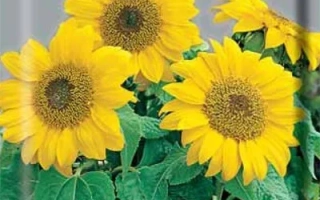
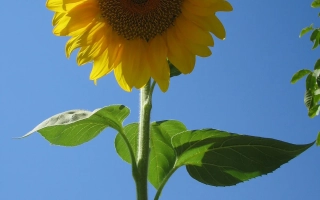
The VA 568 sunflower hybrid is a high-yield crop intended for cultivation in the Forest-Steppe and Steppe regions. This medium-early hybrid has a vegetation period of 118 to 123 days and is characterized by high productivity, reaching up to 5 tons per hectare. Plants grow to a height of 140 to 180 cm, with medium-sized, convex heads at maturity. The seeds are medium-sized, black with barely noticeable gray stripes, and have a high oil content — 49 to 52% — making the hybrid especially valuable for oil production.
VA 568 is characterized by high resistance to major sunflower diseases and pests. The hybrid is genetically resistant to six races of the parasitic weed dodder, and is tolerant to fusarium, gray and white mold, resistant to sunflower moth, rust, and powdery mildew. Additionally, it demonstrates high resistance to lodging and shattering, as well as to both soil and drought stress, ensuring stable yields under adverse conditions. The recommended planting density is 45-50 thousand plants per hectare.
Sunflower seeds of VA 568 are not only valuable from an agronomic standpoint but also possess high nutritional value. They are an excellent source of iron, magnesium, fiber, and vitamins, helping normalize cardiovascular function and reduce cholesterol levels. In culinary applications, cleaned seeds are widely used to prepare salads, appetizers, desserts, and as a flavorful addition to vegetable dishes. They are added to baked goods, sauces, pâtés, and are also used to prepare traditional sweets such as kozinaki and halva. Thanks to their nutritional value, VA 568 sunflower seeds are ideal for snacks and can diversify the diet, enhancing smoothies, fruit bowls, cereals, and sandwiches.
VA 568 is characterized by high resistance to major sunflower diseases and pests. The hybrid is genetically resistant to six races of the parasitic weed dodder, and is tolerant to fusarium, gray and white mold, resistant to sunflower moth, rust, and powdery mildew. Additionally, it demonstrates high resistance to lodging and shattering, as well as to both soil and drought stress, ensuring stable yields under adverse conditions. The recommended planting density is 45-50 thousand plants per hectare.
Sunflower seeds of VA 568 are not only valuable from an agronomic standpoint but also possess high nutritional value. They are an excellent source of iron, magnesium, fiber, and vitamins, helping normalize cardiovascular function and reduce cholesterol levels. In culinary applications, cleaned seeds are widely used to prepare salads, appetizers, desserts, and as a flavorful addition to vegetable dishes. They are added to baked goods, sauces, pâtés, and are also used to prepare traditional sweets such as kozinaki and halva. Thanks to their nutritional value, VA 568 sunflower seeds are ideal for snacks and can diversify the diet, enhancing smoothies, fruit bowls, cereals, and sandwiches.
Crop & resistance
Crop
Disease resistance
Pest resistance
Устойчивость к заразихе
Specifications
| Oil Content | 45-50% |
|---|---|
| Seeds; color | |
| Seeds; size | |
| Vegetation Period | 110-120 days |
| Plant; height | 140-150 cm, 150-160 cm, 160-170 cm, 170-180 cm |
| Basket; shape | |
| Basket; size | |
| Registration year | 2022 |
| Catalog | Catalog → Sunflower |
| Legal data |
Show · 10
|
| Country | Russia |
Store offers
Prices are updated on loadLoading offers…
Aggregator catalog: prices are collected automatically from store websites, normalized by AI and converted at the current exchange rate. Before ordering, confirm the price and availability on the store's website. This block is not indexed by search engines — the data is loaded after the page opens.
Not yet комментариев. Be the first!
Alternatives
Sunflower seeds · similar varieties







See also
Often considered together with this variety






Recently viewed
Products you’ve viewed on this site
Reviews · 0