


SKU #34779
·
92 views
Darsun
Sunflower
User rating
0 votes0% positive reviews
No ratings yet — be the first.
Hybrid Type
Simple Hybrid
Oil Content
50-55%
Vegetation Period
110-120 days
Plant; height
170-180 cm
Store offers · 1 from 1 stores
Prices are updated on loadLoading offers…
Available at: Cropagro
Aggregator catalog: prices are collected automatically from store websites, normalized by AI and converted at the current exchange rate. Before ordering, confirm the price and availability on the store's website. This block is not indexed by search engines — the data is loaded after the page opens.
About product

A high-oil mid-season hybrid compatible with Euro-Lightning technology and strong disease resistance.
Hybrid Type
Simple Hybrid
Oil Content
50-55%
Vegetation Period
110-120 days
Plant; height
170-180 cm
Description
Adaptability and Genetic Potential from Yuriev Institute
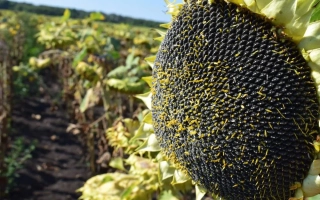
The sunflower hybrid "Darson", developed by the V. Ya. Yuriev Plant Production Institute, is a product of Ukrainian breeding aimed at providing stable yields under intensive farming conditions. As a simple hybrid, it offers crop uniformity, which is critical for consistent quality and streamlined harvesting.
Technological Advantage: Tolerance to Euro-Lightning
A distinctive feature of "Darson" is its tolerance to imidazolinone-based herbicides (the "Clearfield" technology). This allows farmers to effectively combat problematic weeds and control all races of broomrape, making the hybrid an indispensable tool for fields with high weed pressure. Utilizing this system provides a clear phytosanitary start for the crop, ensuring it reaches its yield potential without competition.
Agronomic Profile
With a growing season of 110-120 days, "Darson" falls into the mid-season category, offering flexibility in planting and harvesting schedules. The plants reach a height of 170-180 cm, developing a medium-sized head that efficiently accumulates oil. Key performance indicators include:
- Oil content: 50-55%.
- Pathogen Resistance: High resilience to downy mildew (peronosporosis), phomopsis, and phoma.
The reputation of this hybrid is built on its dependability. Developed in Ukraine, it is well-adapted to local soil and climatic conditions. The Yuriev Institute’s approach ensures that the hybrid maintains a strong health profile, minimizing the impact of fungal diseases and providing reliable returns for agricultural enterprises focused on modern cultivation practices.
Crop & resistance
Crop
Disease resistance
Устойчивость к заразихе
Specifications hover over for a hint about the specification
| Hybrid Type | |
|---|---|
| Oil Content | 50-55% |
| Vegetation Period | 110-120 days |
| Plant; height | 170-180 cm |
| Basket; size | |
|
Herbicide Tolerance
Herbicide Tolerance
Unique combination of the herbicide EURO-LIGHTNING®, containing two active ingredients of the imidazolinone class, and high-yielding hybrids resistant to this herbicide, developed using traditional selection methods (without genetic engineering). Advantages of using CLEARFIELD te... |
|
| Registration year | 2019 |
| Catalog | Catalog → Sunflower |
| Legal data |
Show · 1
|
| Country | Ukraine |
Not yet комментариев. Be the first!
Alternatives
Sunflower seeds · similar varieties





See also
Often considered together with this variety





Recently viewed
Products you’ve viewed on this site
Reviews · 0