


SKU #58831
·
30 views
AZOVSKY
Sunflower
User rating
0 votes0% positive reviews
No ratings yet — be the first.
Oil Content
45-50%
Seeds; size
Large
Vegetation Period
90-100 days
Plant; height
160-170 cm
About product

The Azovsky sunflower variety was developed by individual selection from mid-maturity breeding lines on a heavily infected background of Helminthosporium, followed by self-pollination and intra-variety cross-pollination of the best Helminthosporium-resistant lines. A distinguishing feature of the variety is its large fruit size — the mass of 1000 seeds is 90-110 grams. Azovsky is characterized by…
Oil Content
45-50%
Seeds; size
Large
Vegetation Period
90-100 days
Plant; height
160-170 cm
Description
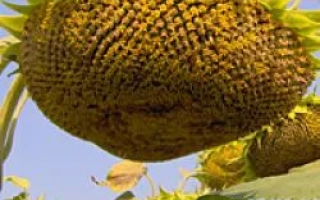
The Azovsky sunflower variety was developed by individual selection from mid-maturity breeding lines on a heavily infected background of Helminthosporium, followed by self-pollination and intra-variety cross-pollination of the best Helminthosporium-resistant lines. A distinguishing feature of the variety is its large fruit size — the mass of 1000 seeds is 90-110 grams. Azovsky is characterized by high resistance to the Helminthosporium complex, downy mildew, is not affected by Verticillium wilt and sunflower firefly. By the length of the vegetative period, it belongs to mid-maturity varieties; the period from germination to technical maturity in the Rostov region is 100-104 days, plant height reaches 160-200 cm.
The Azovsky variety is distinguished by high productivity and oil content. Seed yield varies within 25-35 centners per hectare, and oil content in seeds reaches 49-52%. During the years of competitive testing, it exceeded the regional variety Peredovik Ulyuchshenny by more than 2.5 centners per hectare in terms of yield. Testing results on variety plots in the Rostov region confirm high yield: in 1996 at Tselyinsky ASU under harsh weather conditions, a yield of 32.6 c/ha was obtained, at Tatsinsky ASU the variety exceeded the yield of Yubileyny 60 by 6.1 c/ha, and at Azovsky ASU in 1998 the yield was 37.2 c/ha. The optimal plant density at harvest is 35-37 thousand per hectare.
Sunflower Azovsky is widely used in oil production due to its high oil content and disease resistance. Oil from seeds is used in the food industry and for preparing food products. In addition, after processing seeds, chaff is obtained, which serves as animal feed. Moreover, blooming sunflower is an excellent nectar source, which contributes to the development of beekeeping.
The Azovsky variety is distinguished by high productivity and oil content. Seed yield varies within 25-35 centners per hectare, and oil content in seeds reaches 49-52%. During the years of competitive testing, it exceeded the regional variety Peredovik Ulyuchshenny by more than 2.5 centners per hectare in terms of yield. Testing results on variety plots in the Rostov region confirm high yield: in 1996 at Tselyinsky ASU under harsh weather conditions, a yield of 32.6 c/ha was obtained, at Tatsinsky ASU the variety exceeded the yield of Yubileyny 60 by 6.1 c/ha, and at Azovsky ASU in 1998 the yield was 37.2 c/ha. The optimal plant density at harvest is 35-37 thousand per hectare.
Sunflower Azovsky is widely used in oil production due to its high oil content and disease resistance. Oil from seeds is used in the food industry and for preparing food products. In addition, after processing seeds, chaff is obtained, which serves as animal feed. Moreover, blooming sunflower is an excellent nectar source, which contributes to the development of beekeeping.
Crop & resistance
Crop
Disease resistance
Pest resistance
Устойчивость к заразихе
Specifications
| Oil Content | 45-50% |
|---|---|
| Seeds; size | |
| Vegetation Period | 90-100 days |
| Plant; height | 160-170 cm |
| Registration year | 1993 |
| Catalog | Catalog → Sunflower |
| Legal data |
Show · 8
|
| Country | Russia |
Store offers
Prices are updated on loadLoading offers…
Aggregator catalog: prices are collected automatically from store websites, normalized by AI and converted at the current exchange rate. Before ordering, confirm the price and availability on the store's website. This block is not indexed by search engines — the data is loaded after the page opens.
Not yet комментариев. Be the first!
Alternatives
Sunflower seeds · similar varieties



See also
Often considered together with this variety




Recently viewed
Products you’ve viewed on this site
Reviews · 0