The table beet Karilon is a mid-early variety of Dutch selection, distinguished by high yield and universal application. The vegetative period ranges from 90 to 105 days, allowing this variety to be cultivated for both spring and summer sowings. Karilon adapts well to various soil types and climatic conditions, withstands temperatures down to -4 degrees, and has an optimal development temperature of about +16 degrees. Seeds germinate at temperatures of +7-+8 degrees, are planted at a depth of 2-3 cm with a distance of 8 cm between plants, providing optimal conditions for growth and development.
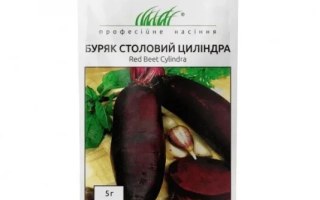
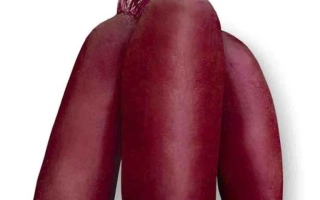
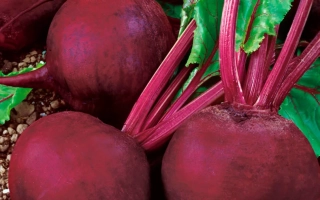
The root vegetables of Karilon beet have a cylindrical shape, up to 15-25 cm in length, with a uniform, smooth surface and a rich dark-red flesh color without light or radial rings. Fruit weight varies from 200 to 250 grams, making them convenient for mechanized harvesting and transportation. High sugar content and relatively low nitrate content ensure excellent taste quality, making the beet suitable for both fresh consumption and culinary processing and canning. Sliced rings are uniform and attractive, which is particularly important for the food industry.
The Karilon variety is resistant to major diseases and pests, reducing the need for intensive chemical treatment. The plant requires regular and even watering, as well as weed removal and fertilization to achieve maximum yield, which can reach 50-65 tons per hectare. Beet keeps well, allowing for long-term storage and sale in the fresh market. The tightly attached foliage facilitates harvesting with special machinery, increasing production efficiency and reducing losses.