


SKU #63755
·
52 views
Ros
Soybean
OOO 'SOYa-SEVER KO'User rating
0 votes0% positive reviews
No ratings yet — be the first.
Growing Season
100-110 days
Plant; plant height
90-100cm
Plant: Height of Lower Pod Attachment
16-18cm
Seeds: oil content
20-21%
About product

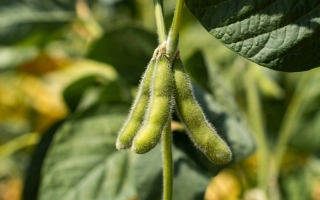
The Ross soybean variety is a medium-early indeterminate variety with an intermediate plant form and gray stem pubescence. The plants are of medium height, reaching 90-115 cm, with purple flowers and oval green side leaves of medium size. The seeds are large, elongated-flattened in shape, yellow in color with a brown hilum, with a 1000-seed mass varying from 163 to 230 g. The height of attachment…
Growing Season
100-110 days
Plant; plant height
90-100cm
Plant: Height of Lower Pod Attachment
16-18cm
Seeds: oil content
20-21%
Description
The Ross soybean variety is a medium-early indeterminate variety with an intermediate plant form and gray stem pubescence. The plants are of medium height, reaching 90-115 cm, with purple flowers and oval green side leaves of medium size. The seeds are large, elongated-flattened in shape, yellow in color with a brown hilum, with a 1000-seed mass varying from 163 to 230 g. The height of attachment of the lower pod is 15.7-17.2 cm, while the percentage of pods below 15 cm does not exceed 1%.
The variety is characterized by high resistance to lodging and seed shattering, ensuring crop safety. During years of field testing, no disease damage was recorded. The Ross soybean is adapted for cultivation in the Central Black Earth and Far Eastern regions, where it demonstrates a medium yield of about 14.7 c/ha and a maximum of 31.7 c/ha.
Protein content in seeds is about 32.5-40%, and fat is 20.4-21%, making this variety attractive for the production of products with high nutritional and energy potential. The sum of active temperatures from germination to maturity is approximately 2350 °C, corresponding to medium-early maturity periods with a tendency to early maturity in individual years.
The variety is characterized by high resistance to lodging and seed shattering, ensuring crop safety. During years of field testing, no disease damage was recorded. The Ross soybean is adapted for cultivation in the Central Black Earth and Far Eastern regions, where it demonstrates a medium yield of about 14.7 c/ha and a maximum of 31.7 c/ha.
Protein content in seeds is about 32.5-40%, and fat is 20.4-21%, making this variety attractive for the production of products with high nutritional and energy potential. The sum of active temperatures from germination to maturity is approximately 2350 °C, corresponding to medium-early maturity periods with a tendency to early maturity in individual years.
Crop & resistance
Crop
Specifications
| Growing Season | 100-110 days |
|---|---|
| Plant; plant height | 90-100cm |
| Plant: Height of Lower Pod Attachment | 16-18cm |
| Seeds: oil content | 20-21% |
| Seeds: protein content | 35-37%, 39-41% |
| Registration year | 2008 |
| Catalog | Catalog → Soybean |
| Manufacturer | OOO 'SOYa-SEVER KO' |
| Legal data |
Show · 1 |
| Country | Russia |
Store offers
Prices are updated on loadLoading offers…
Aggregator catalog: prices are collected automatically from store websites, normalized by AI and converted at the current exchange rate. Before ordering, confirm the price and availability on the store's website. This block is not indexed by search engines — the data is loaded after the page opens.
Not yet комментариев. Be the first!
Alternatives
Soybean seeds · similar varieties


See also
Often considered together with this variety


Recently viewed
Products you’ve viewed on this site
Reviews · 0