


SKU #66287
·
41 views
Ogonek
Sorghum
Rossorgo Research InstituteUser rating
0 votes0% positive reviews
No ratings yet — be the first.
Direction
Grain
Vegetation Period
100-110 days
Grain; Color
Light Brown, White
Grain; Protein Content
11-12%
About product

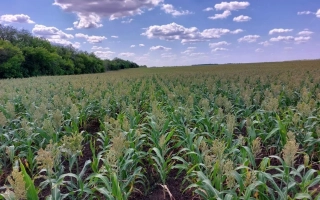
Sorghum grain of the Ogonek variety is a mid-season or early-season variety of the plant Sorghum bicolor (L.) Moench, characterized by medium height and the absence or very weak anthocyanin coloration of seedlings. The leaves are green with a lighter midrib on the flag leaf, and the panicle is long, loose, and medium density with inverted ovate spikelets and light brown glumes. The grain is ellipt…
Direction
Grain
Vegetation Period
100-110 days
Grain; Color
Light Brown, White
Grain; Protein Content
11-12%
Description
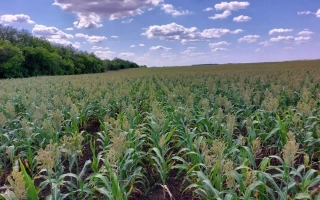
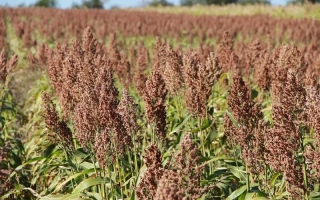
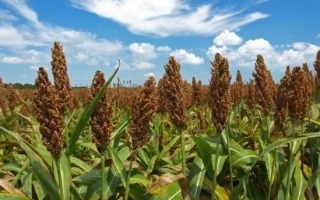
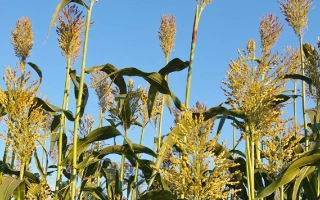
Sorghum grain of the Ogonek variety is a mid-season or early-season variety of the plant Sorghum bicolor (L.) Moench, characterized by medium height and the absence or very weak anthocyanin coloration of seedlings. The leaves are green with a lighter midrib on the flag leaf, and the panicle is long, loose, and medium density with inverted ovate spikelets and light brown glumes. The grain is elliptical, yellowish-white in color with starchy endosperm; the 1000-grain mass varies from 21.1 to 35 grams depending on different sources. The variety is suitable for grain production and is distinguished by high shattering tolerance.
Ogonek demonstrates high resistance to lodging and medium or standard-level drought tolerance, making it suitable for cultivation in various climatic conditions. The variety has resistance to bacterial leaf spot and other diseases, which contributes to stable yields. The vegetative period is from 105 to 115 days, and the productive tillering reaches 3-4 stems per plant.
The average grain yield in growing regions ranges from 17.3 to 24.7 centners per hectare, exceeding regional averages. The grain contains about 70% starch and 13% protein, ensuring high-quality raw materials for the food industry. Seeds undergo fungicide and antidote treatment for disease protection and improved germination. The sowing rate depends on specific agro-technical conditions and the climate of the enterprise.
Ogonek demonstrates high resistance to lodging and medium or standard-level drought tolerance, making it suitable for cultivation in various climatic conditions. The variety has resistance to bacterial leaf spot and other diseases, which contributes to stable yields. The vegetative period is from 105 to 115 days, and the productive tillering reaches 3-4 stems per plant.
The average grain yield in growing regions ranges from 17.3 to 24.7 centners per hectare, exceeding regional averages. The grain contains about 70% starch and 13% protein, ensuring high-quality raw materials for the food industry. Seeds undergo fungicide and antidote treatment for disease protection and improved germination. The sowing rate depends on specific agro-technical conditions and the climate of the enterprise.
Crop & resistance
Crop
Disease resistance
Specifications hover over for a hint about the specification
|
Direction
Direction
Existing varieties and types of cabbage are grown for fresh consumption, long-term storage, and technical processing. |
|
|---|---|
| Vegetation Period | 100-110 days |
| Grain; Color | |
| Grain; Protein Content | 11-12% |
| Grain; Starch Content | 70-80% |
| Grain; Tannin Content | |
| Registration year | 2012 |
| Catalog | Catalog → Sorghum |
| Manufacturer | Rossorgo Research Institute |
| Legal data |
Show · 10
|
| Country | Russia |
Store offers
Prices are updated on loadLoading offers…
Aggregator catalog: prices are collected automatically from store websites, normalized by AI and converted at the current exchange rate. Before ordering, confirm the price and availability on the store's website. This block is not indexed by search engines — the data is loaded after the page opens.
Not yet комментариев. Be the first!
Alternatives
Sorghum seeds · similar varieties






See also
Often considered together with this variety





Recently viewed
Products you’ve viewed on this site
Reviews · 0