


SKU #66247
·
37 views
KINEL 63
Sorghum
User rating
0 votes0% positive reviews
No ratings yet — be the first.
Direction
Grain
Vegetation Period
90-100 days
Grain; Color
Red
Grain; Starch Content
60-70%
About product

Grain sorghum Kinelskoe 63 is an early-maturing variety developed specifically for the Volga region and adapted to various climatic zones, including the Central Volga and Ural regions of Russia. This variety is characterized by its dwarf stature, high plasticity, and resistance to lodging, stem and panicle brittleness, and grain shedding, ensuring yield stability and ease of mechanized harvesting.…
Direction
Grain
Vegetation Period
90-100 days
Grain; Color
Red
Grain; Starch Content
60-70%
Description
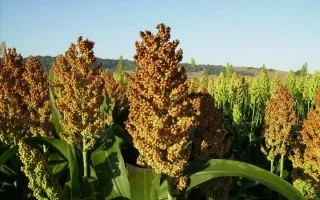
Grain sorghum Kinelskoe 63 is an early-maturing variety developed specifically for the Volga region and adapted to various climatic zones, including the Central Volga and Ural regions of Russia. This variety is characterized by its dwarf stature, high plasticity, and resistance to lodging, stem and panicle brittleness, and grain shedding, ensuring yield stability and ease of mechanized harvesting. The maturity period falls in late August to early September, allowing for effective planning of agrotechnical operations.
Kinelskoe 63 is characterized by high yield, which varied from 27.9 to 50.4 centners per hectare during research years. The grain is round, orange-red in color, with endosperm that is three-quarters glassy in type. The mass of a thousand grains is approximately 20.3 grams. The variety has a good quality composition: crude protein content in the grain ranges from 8.7–13%, starch from 63–78%, and fat from 3–6%, making it valuable for the production of fodder grain.
In addition, Kinelskoe 63 is distinguished by high resistance to diseases and adverse abiotic factors, enhancing its reliability and economic efficiency during cultivation. Thanks to these properties, the variety is widely used for sowing under various climatic conditions and represents a promising choice for agrarians focused on obtaining high-quality and stable grain sorghum yields.
Kinelskoe 63 is characterized by high yield, which varied from 27.9 to 50.4 centners per hectare during research years. The grain is round, orange-red in color, with endosperm that is three-quarters glassy in type. The mass of a thousand grains is approximately 20.3 grams. The variety has a good quality composition: crude protein content in the grain ranges from 8.7–13%, starch from 63–78%, and fat from 3–6%, making it valuable for the production of fodder grain.
In addition, Kinelskoe 63 is distinguished by high resistance to diseases and adverse abiotic factors, enhancing its reliability and economic efficiency during cultivation. Thanks to these properties, the variety is widely used for sowing under various climatic conditions and represents a promising choice for agrarians focused on obtaining high-quality and stable grain sorghum yields.
Crop & resistance
Crop
Disease resistance
Specifications hover over for a hint about the specification
Store offers
Prices are updated on loadLoading offers…
Aggregator catalog: prices are collected automatically from store websites, normalized by AI and converted at the current exchange rate. Before ordering, confirm the price and availability on the store's website. This block is not indexed by search engines — the data is loaded after the page opens.
Not yet комментариев. Be the first!
Alternatives
Sorghum seeds · similar varieties



See also
Often considered together with this variety




Recently viewed
Products you’ve viewed on this site
Reviews · 0