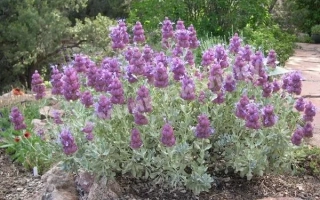
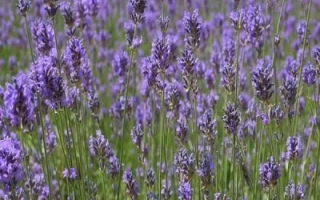
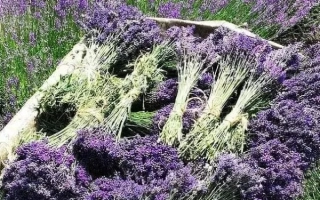
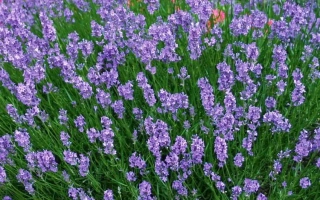
Salvia officinalis is a perennial shrub growing from 20 to 100 centimeters in height, thriving in temperate climate zones and widely distributed across the globe due to its Mediterranean origin. The plant's leaves are wrinkled, hairy, and grayish-green, turning silver-gray in autumn; the inflorescences are simple or branched, with blue-violet flowers blooming from May to July. Salvia contains essential oils, resins, tannins, alkaloids, flavonoids, organic acids, vitamins (R, C, B1), nicotinic acid, camphor, and other compounds; it is also rich in calcium, magnesium, and folic acid.
Traditionally, salvia is considered a herb of longevity and a miraculous remedy. Hippocrates called it a "holy herb," while ancient Egyptians used it to maintain fertility during epidemics and wars. In folk medicine, salvia leaves are used as an astringent, anti-inflammatory, and antiseptic agent: they are used for rinsing the mouth and throat, as well as for inflammatory skin conditions, burns, and frostbite. Leaf infusions are included in chest teas.
Salvia possesses a wide range of cosmetic properties. It regulates the activity of sebaceous and sweat glands, making it a valuable component in skin care products. An antibacterial drug, salvian, is obtained from the flowers, and salvia essential oil is widely used for gargling during upper respiratory tract inflammation, loss of voice, and laryngeal papillomatosis; it is also used in inhalations and for room aromatization.