


SKU #72438
·
77 views
Briz
Sage
Агрофирма ПоискUser rating
0 votes0% positive reviews
No ratings yet — be the first.
Medicinal Plants
Sage
Assignment
Medicinal, Aromatic
Leaf Scent
Strong
Registration year
2004
About product

A low-maintenance variety with a powerful aroma and excellent winter hardiness for culinary and medicinal use.
Medicinal Plants
Sage
Assignment
Medicinal, Aromatic
Leaf Scent
Strong
Registration year
2004
Description
Sage 'Briz': Personal Experience in Cultivation and Use
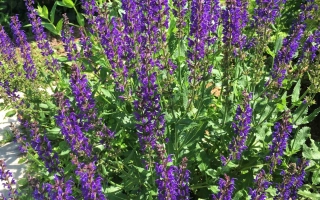
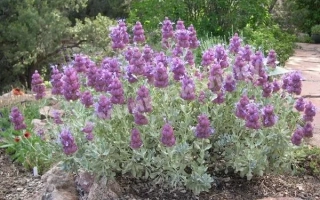
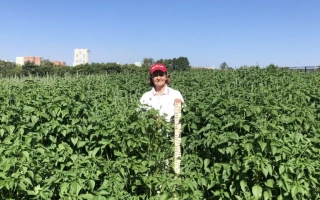
When you plant the 'Briz' sage variety from the Agrofirma Poisk brand, the search for high-quality aromatic herbs for your kitchen and home pharmacy is over. It is a perennial plant that, with proper agricultural practices, becomes a reliable staple in any garden.
Vegetation and Care Tips
Growing this variety is straightforward, even for beginners. The key is choosing the right location. 'Briz' sage loves full sun and detests waterlogged soil, so I always ensure proper drainage when planting. Maintenance is minimal: in the spring, I perform sanitary pruning to remove old shoots, which stimulates the growth of fresh, more fragrant leaves. A few applications of complex fertilizers during the season result in a lush, healthy bush ready for multiple cuttings.
Why 'Briz' Stands Out
- Intense Aroma: The leaves possess a truly strong, concentrated scent. This is critical if you plan to dry the herb for winter use or utilize it as a potent culinary spice.
- Versatility: I use it for both cooking and medicinal purposes. Infusions of this sage are excellent for soothing inflammation, while as a spice, 'Briz' adds incredible depth to meat dishes.
- Winter Hardiness: The variety proves itself well in various climates. With minimal winter protection, the bush recovers perfectly after the cold, showing great resilience even during harsh seasons.
If you are looking for a crop that requires minimal attention but delivers maximum results, 'Briz' by Agrofirma Poisk fully lives up to its name. It is a reliable choice for those who value predictable harvests and low-maintenance gardening.
Video · 1 video
Suggest a video →Crop & resistance
Crop
Specifications
| Medicinal Plants | |
|---|---|
| Assignment | |
| Leaf Scent | |
| Registration year | 2004 |
| Catalog | Catalog → Sage |
| Manufacturer | Агрофирма Поиск |
| Legal data |
Show · 3
|
| Country | Russia |
Store offers
Prices are updated on loadLoading offers…
Aggregator catalog: prices are collected automatically from store websites, normalized by AI and converted at the current exchange rate. Before ordering, confirm the price and availability on the store's website. This block is not indexed by search engines — the data is loaded after the page opens.
Not yet комментариев. Be the first!





See also
Often considered together with this variety


Recently viewed
Products you’ve viewed on this site
Reviews · 0