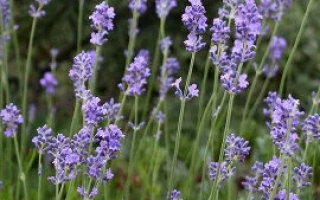
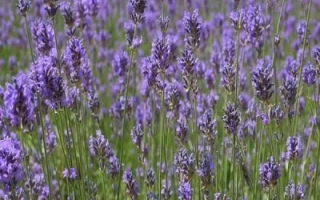
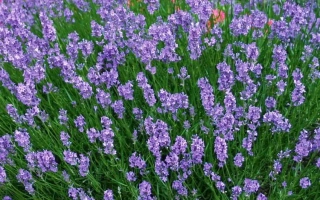
Aybolit is a perennial aromatic herb from the sage family, valued both as a garden decorative element and as a medicinal remedy. The plant usually grows to a height of 40–70 cm, with inflorescences reaching 25–45 cm in length and having a pinkish-lavender hue. The leaves are elongated-oval, grayish-green in color, densely hairy, and emit a subtle, pungent aroma.
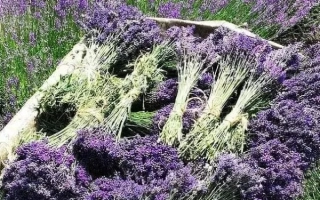
The medicinal properties of Aybolit include antiseptic, anti-inflammatory, astringent, and hemostatic effects. The plant also has diuretic, antiseptic, and febrifuge properties, making it useful in treating respiratory diseases and other ailments. Leaves and inflorescences are used both fresh and dried – they can be brewed as tea or used to prepare medicinal decoctions.
In cooking, Aybolit is widely used as a seasoning: it is added to meat, fish, vegetables, cheese, oil, and baked goods. The plant is easily grown in sunny areas with fertile soils; sowing can be carried out in March or at the end of April–beginning of May. Leaf harvesting begins 35–45 days after germination in the second year of growth, and the first harvest is possible as early as 85–90 days. Thanks to its heat-loving nature and drought resistance, Aybolit can be grown in one place for up to eight years.