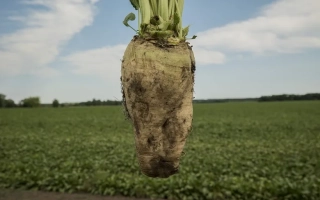
ICB 0803 — a single-stem triploid hybrid sugar beet on a sterile base, specially developed for cultivation in the Steppe and Forest-Steppe zones. The maternal component of the hybrid is represented by a single-stem diploid form from the State Sugar Beet Research Center, while the paternal component is a multi-seeded tetraploid form. This hybrid has high productivity in terms of sugar yield per hectare, significantly exceeding the national standard, as confirmed by the state certificate of plant variety registration dated April 15, 2011.
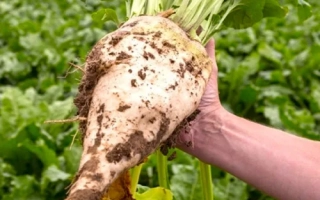
Sugar beet is a biennial root crop of the Chenopodiaceae family, forming a root with firm white flesh and basal leaves that form a rosette. Modern varieties contain 18-20% sugar, have good storability and transportability. The plant is cold-resistant, light-loving, and moderately demanding on soil fertility. The optimal temperature for seed germination is +10-12°C, while for growth and development — +20-22°C. Seedlings are sensitive to frost and die at temperatures of -4 to -5°C. High cultivation efficiency is achieved with winter sowing.
For successful sugar beet cultivation, it is necessary to thoroughly prepare the soil, apply fertilizers and protective agents. The plant responds well to the application of semi-rotted manure, whereas fresh manure reduces the market quality of the roots. The plant's water requirement increases as it grows, but excessive moisture prior to harvest leads to root spoilage and loss of sugar content. Sugar beet is primarily used for sugar production, and can also be used as a fodder crop.