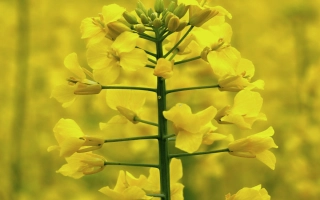
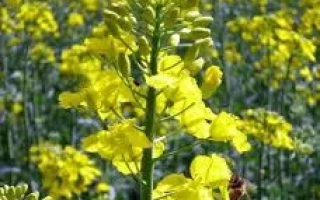
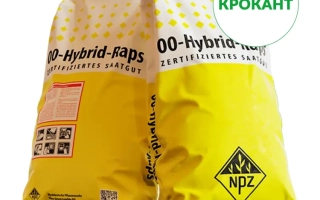
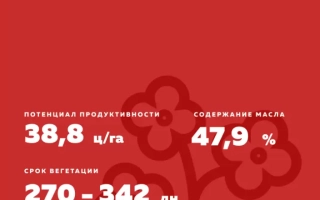
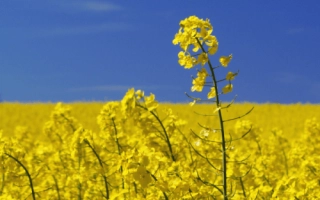
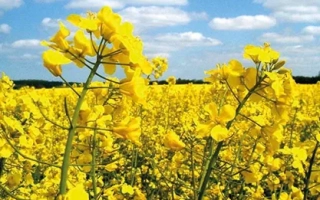
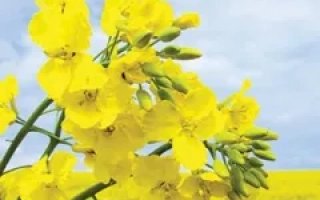
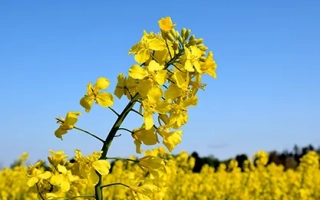
Corida rapeseed is a high-quality winter hybrid with exceptional winter hardiness and drought tolerance. Developed using Clearfield technology, it is tolerant to imidazolinone-based herbicides, enabling effective weed control without harming the crop. Corida rapeseed features vigorous plant growth, medium height, and high lodging resistance, making it ideal for short rotation cropping systems. Recommended sowing dates range from mid to late, with a seeding rate of 400,000–550,000 seeds per hectare. The hybrid exhibits rapid autumn development and good response to plant regulators before row closure, promoting strong and healthy biomass formation. It possesses very high resistance to rootstock fusarium, pod cracking, and turnip yellow vein virus (TuYV). Its medium-late flowering and medium maturity type allow flexible agronomic planning, while rapid spring vegetative recovery ensures high yield potential. Additionally, Corida rapeseed is valued for its agronomic advantages, including high drought tolerance and adaptability to various soil-climatic conditions. The plant has a branched, hairy stem and green leaves with a waxy coating, which helps retain moisture and enhances resistance to adverse factors. The flowers are small, yellow, and produce abundant nectar, making the crop attractive to bees and contributing to improved field biodiversity. The green mass of rapeseed is also used as a high-protein feed, containing significantly more protein than other forage crops.