


SKU #52622
·
63 views
LUKHYANOVSKY
Potato
User rating
0 votes0% positive reviews
No ratings yet — be the first.
Direction
Table Potato
Corm; skin color
Light yellow (white)
Corm; flesh color
Creamy
Cormorant; eye depth
Shallow
About product

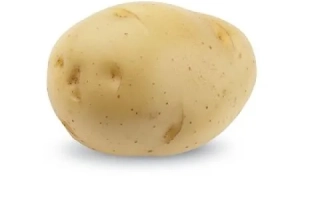
Lukhyanovsky potato is a medium-early table variety of Russian selection, intended for cultivation in the Central and Ural regions. The tubers of this variety are light beige in color, oval-round in shape with creamy flesh and small, few eyes. The average weight of marketable tubers ranges from 90 to 150 grams, and the number of tubers per plant varies from 6 to 11. The starch content in the tuber…
Direction
Table Potato
Corm; skin color
Light yellow (white)
Corm; flesh color
Creamy
Cormorant; eye depth
Shallow
Description
Lukhyanovsky potato is a medium-early table variety of Russian selection, intended for cultivation in the Central and Ural regions. The tubers of this variety are light beige in color, oval-round in shape with creamy flesh and small, few eyes. The average weight of marketable tubers ranges from 90 to 150 grams, and the number of tubers per plant varies from 6 to 11. The starch content in the tubers is within 13-15%, making this potato versatile for various culinary purposes, including salads, soups, and frying. The taste of the variety is good, and its storability reaches 94%, ensuring long-term storage without loss of quality.
The Lukhyanovsky variety is distinguished by high market yield, reaching 300-450 centners per hectare, with marketability of 90-93%. It is resistant to several diseases, including golden potato cyst nematode and potato late blight pathotype I. Moreover, the variety exhibits moderate resistance to late blight of stems and tubers, as well as to scab. The potato is heat- and drought-resistant, quickly regenerates stems after damage, for example, from Colorado potato beetle, which simplifies care and increases yield stability.
Growing the Lukhyanovsky variety requires standard agronomic practices, making it accessible to most farmers and gardeners. The white flower buds are an additional distinctive feature of the variety. Due to the combination of high yield, disease resistance, and good taste, this potato is popular among consumers and suitable for various cooking methods.
The Lukhyanovsky variety is distinguished by high market yield, reaching 300-450 centners per hectare, with marketability of 90-93%. It is resistant to several diseases, including golden potato cyst nematode and potato late blight pathotype I. Moreover, the variety exhibits moderate resistance to late blight of stems and tubers, as well as to scab. The potato is heat- and drought-resistant, quickly regenerates stems after damage, for example, from Colorado potato beetle, which simplifies care and increases yield stability.
Growing the Lukhyanovsky variety requires standard agronomic practices, making it accessible to most farmers and gardeners. The white flower buds are an additional distinctive feature of the variety. Due to the combination of high yield, disease resistance, and good taste, this potato is popular among consumers and suitable for various cooking methods.
Crop & resistance
Crop
Disease resistance
Pest resistance
Specifications hover over for a hint about the specification
|
Direction
Direction
Existing varieties and types of cabbage are grown for fresh consumption, long-term storage, and technical processing. |
|
|---|---|
| Corm; skin color | |
| Corm; flesh color | |
| Cormorant; eye depth | |
| Corm; mass | 50-130 grams |
| Starch Content | 13-14% |
| Flavor Characteristics | |
| Registration year | 1991 |
| Catalog | Catalog → Potato |
| Legal data |
Show · 3 |
| Country | Russia |
Store offers
Prices are updated on loadLoading offers…
Available at: 1semena · Плідник Круглик · Летичев-Сад
Aggregator catalog: prices are collected automatically from store websites, normalized by AI and converted at the current exchange rate. Before ordering, confirm the price and availability on the store's website. This block is not indexed by search engines — the data is loaded after the page opens.
Not yet комментариев. Be the first!
Alternatives
Seed potatoes · similar varieties




See also
Often considered together with this variety



Recently viewed
Products you’ve viewed on this site
Reviews · 0