


SKU #73401
·
69 views
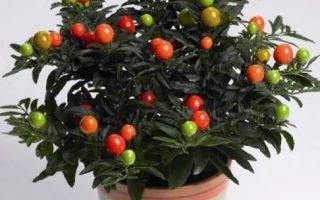
BLACK RUSIAN JEWEL
Nightshade
User rating
0 votes0% positive reviews
No ratings yet — be the first.
Fruit Color
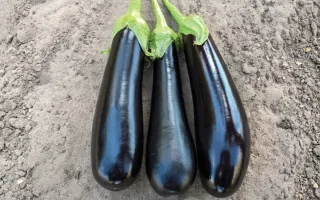
Black
Fruit Shape
Round
Assignment
Recycling
Fruiting Period (days)
45-60
About product

An early-maturing variety with a unique black color, perfect for rapid processing and canning.
Fruit Color
Black
Fruit Shape
Round
Assignment
Recycling
Fruiting Period (days)
45-60
Description
A Breakthrough in Solanaceous Breeding
The 'Black Pearl of Russia' ('Cherny Zhemchug Rossii'), developed by breeder Yuri Mikhailovich Stepanov, stands as a prime example of adaptive selection. Unlike many high-maintenance exotic varieties, this crop pairs an unconventional appearance with remarkable development speed. With a vegetation period of just 45–60 days from emergence to harvest, it has become a go-to choice for regions with short growing seasons.
Technical Specifications and Market Application
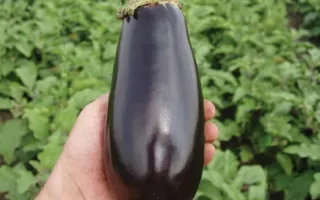
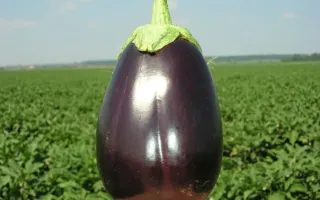
The development of this variety was centered on processing efficiency. The deep black, round fruits feature dense flesh, allowing them to retain their shape during heat treatment and transport. Due to the plant's compact architecture and rapid maturation, this variety is highly effective in intensive cultivation systems.
- Color profile: A rich black hue, resulting from a high concentration of anthocyanins.
- Fruit structure: A perfectly spherical shape, ideal for automated grading and sorting.
- Intended use: Industrial and home processing (canning, production of pastes, and sauces).
The variety's reputation is built on consistency. Stepanov created a product that fills a specific market niche for early-maturing solanaceous crops with high nutritional density. In today's market, 'Black Pearl of Russia' is recognized as a reliable, high-performing variety capable of delivering consistent yields in temperate climates without the need for an extended wait time.
Crop & resistance
Crop
Specifications
| Fruit Color | |
|---|---|
| Fruit Shape | |
| Assignment | |
| Fruiting Period (days) | 45-60 |
| Registration year | 2023 |
| Catalog | Catalog → Nightshade |
| Legal data |
Show · 1
|
| Country | Russia |
Store offers
Prices are updated on loadLoading offers…
Aggregator catalog: prices are collected automatically from store websites, normalized by AI and converted at the current exchange rate. Before ordering, confirm the price and availability on the store's website. This block is not indexed by search engines — the data is loaded after the page opens.
Not yet комментариев. Be the first!
Alternatives
Nightshade · similar varieties
See also
Often considered together with this variety




Recently viewed
Products you’ve viewed on this site
Reviews · 0