


SKU #73493
·
59 views
Barhan
Nigella
Rossorgo Research InstituteUser rating
0 votes0% positive reviews
No ratings yet — be the first.
Herbs
Nigella
Plant Height
40-60
Flower Color
White, Purple
Assignment
Decorative
About product

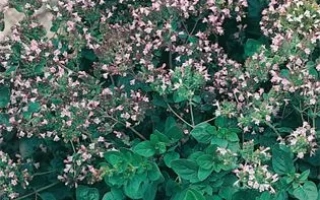
An elegant ornamental nigella variety featuring a striking contrast of white and violet blooms.
Herbs
Nigella
Plant Height
40-60
Flower Color
White, Purple
Assignment
Decorative
Description
The breeding heritage of RosNIISK "Rossorgo"
The "Barkhan" variety is a prominent representative of Nigella damascena, developed by the experts at RosNIISK "Rossorgo". Adapted to the challenges of the regional climate, this variety has established itself as an undemanding crop that fits perfectly into both professional landscape designs and amateur gardening. The breeder focused specifically on ornamental traits, allowing the plant to be used not only in flower beds but also as dried flowers for floral arrangements.
Agronomic features and appearance
- Stem height: 40–60 cm, ensuring good resistance to lodging.
- Color palette: a blend of white and violet shades, creating a natural, lively contrast.
- Purpose: primarily ornamental use.
"Barkhan" stands out by combining the visual grace of delicate, lacy foliage with an unusual flower shape. Thanks to the selective work of RosNIISK "Rossorgo", the plant shows excellent adaptability to various soil types, making it a reliable choice for growers. Its utility extends beyond simple garden decoration—after flowering, the plant produces ornamental seed pods highly valued by florists for their unique aesthetic in winter bouquets.
Why choose "Barkhan"?
While the market for ornamental herbs is saturated with imported hybrids, "Barkhan" remains a sought-after variety due to its specific adaptation to the local environment. It requires minimal care, ensuring consistent aesthetic results even with low-maintenance cultivation practices. It is an optimal solution for those seeking a balance between classic elegance and plant hardiness.
Specifications
| Herbs | |
|---|---|
| Plant Height | 40-60 |
| Flower Color | |
| Assignment | |
| Registration year | 2025 |
| Catalog | Catalog → Nigella |
| Manufacturer | Rossorgo Research Institute |
| Country | Russia |
Store offers
Prices are updated on loadLoading offers…
Available at: Ogorod
Aggregator catalog: prices are collected automatically from store websites, normalized by AI and converted at the current exchange rate. Before ordering, confirm the price and availability on the store's website. This block is not indexed by search engines — the data is loaded after the page opens.
Not yet комментариев. Be the first!


See also
Often considered together with this variety





Recently viewed
Products you’ve viewed on this site
Reviews · 0