


SKU #73494
·
73 views
Anyuta
Nigella
User rating
0 votes0% positive reviews
No ratings yet — be the first.
Herbs
Nigella
Flower Color
Light blue, White, Pink
Assignment
Spicy, Decorative
Registration year
2023
About product

A low-maintenance spice and ornamental crop that combines aesthetic floral beauty with high-quality seeds.
Herbs
Nigella
Flower Color
Light blue, White, Pink
Assignment
Spicy, Decorative
Registration year
2023
Description
Practical Cultivation of Nigella 'Anyuta'
Nigella 'Anyuta' is a versatile choice for growers looking to combine floral aesthetics with functional herb production. As a producer, you are working with a low-maintenance crop that delivers consistent results in moderate climates.
Operation and Maintenance
This variety shows high adaptability to various soil types. For optimal performance, direct sowing is recommended, as the plant does not tolerate transplanting well. During the growth cycle, maintenance is minimal: irrigation is critical only during the germination phase. The plant is resistant to minor temperature fluctuations, which simplifies field management scheduling.
Visual Impact and Utility
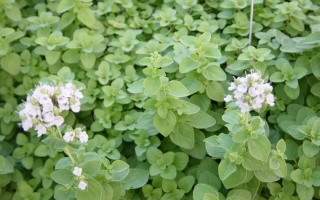
- Aesthetics: The blend of blue, white, and pink flowers provides significant ornamental value, making it ideal for both decorative borders and naturalistic garden designs.
- Harvest Management: As a spice, 'Anyuta' is harvested once the seed pods have matured. Timing is essential to ensure the seeds have developed their characteristic pungent flavor before natural dehiscence occurs.
Managing a plot with this cultivar is straightforward, requiring only standard thinning to ensure proper density and basic weed control. 'Anyuta' offers a balance of ease-of-use and reliability, providing a predictable output of high-quality spice while serving as a valuable decorative element throughout the season.
Specifications
| Herbs | |
|---|---|
| Flower Color | |
| Assignment | |
| Registration year | 2023 |
| Catalog | Catalog → Nigella |
| Legal data |
Show · 1
|
| Country | Russia |
Store offers
Prices are updated on loadLoading offers…
Available at: Biosad
Aggregator catalog: prices are collected automatically from store websites, normalized by AI and converted at the current exchange rate. Before ordering, confirm the price and availability on the store's website. This block is not indexed by search engines — the data is loaded after the page opens.
Not yet комментариев. Be the first!


See also
Often considered together with this variety






Recently viewed
Products you’ve viewed on this site
Reviews · 0