


SKU #73506
·
65 views
KAMALINSKY 7
Wildrye
User rating
0 votes0% positive reviews
No ratings yet — be the first.
Assignment
Feed, Pasture
Vegetation Period
100–120
Usage Type
Hay, Silage Feed
Sowing Rate (kg/ha)
8–10
About product

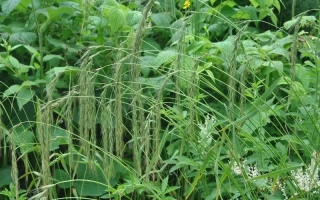
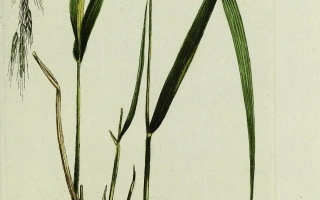
Kamalinsky 7 is a perennial grass of the spring-winter type from the Poaceae family, belonging to the Agropyron genus. The plant features a loose tufted form, stems 60–120 cm tall, smooth and well-leafed, as well as linear, rough leaves 15–30 cm long. The root system is fibrous, penetrating up to 120–150 cm deep, which ensures drought resistance and allows the plant to establish in various soil co…
Assignment
Feed, Pasture
Vegetation Period
100–120
Usage Type
Hay, Silage Feed
Sowing Rate (kg/ha)
8–10
Description
Kamalinsky 7 is a perennial grass of the spring-winter type from the Poaceae family, belonging to the Agropyron genus. The plant features a loose tufted form, stems 60–120 cm tall, smooth and well-leafed, as well as linear, rough leaves 15–30 cm long. The root system is fibrous, penetrating up to 120–150 cm deep, which ensures drought resistance and allows the plant to establish in various soil conditions.
The variety is distinguished by high winter hardiness and the ability to withstand low temperatures, as well as good adaptation to a wide range of soil pH (6.5–7.5) and even tolerance up to 5.6. It grows well on loamy, loamy sand, and sandy soils, including chernozem, dark chestnut, podzolic, and saline soils. The vegetation period ranges from 94 to 109 days.
Kamalinsky 7 is widely used as a hay and silage crop, and to a lesser extent as pasture feed. Hay yield can reach up to three cuttings per year: from 3–12 c/ha in Buryatia to 90–140 c/ha in Central Yakutia. When combined with alfalfa and clover, hay yield increases to 30–40 c/ha. Seed yield reaches 6–8 c/ha, making the variety suitable for producing feed grains.
Agropyron Kamalinsky 7 is characterized by good digestibility and nutritional value: in 100 kg of hay before flowering, there are approximately 60 feed units and 9.2 kg of digestible protein. The hay is readily consumed by horses, sheep, and cattle.
For sowing, early spring is recommended when the soil warms up, with careful surface preparation and mandatory rolling for even incorporation. The sowing rate is about 8 kg/ha, and the sowing depth is 3–3.5 cm. The variety can persist in the sward for up to 10 years, with the best development observed in the second and third years of use.
The variety is distinguished by high winter hardiness and the ability to withstand low temperatures, as well as good adaptation to a wide range of soil pH (6.5–7.5) and even tolerance up to 5.6. It grows well on loamy, loamy sand, and sandy soils, including chernozem, dark chestnut, podzolic, and saline soils. The vegetation period ranges from 94 to 109 days.
Kamalinsky 7 is widely used as a hay and silage crop, and to a lesser extent as pasture feed. Hay yield can reach up to three cuttings per year: from 3–12 c/ha in Buryatia to 90–140 c/ha in Central Yakutia. When combined with alfalfa and clover, hay yield increases to 30–40 c/ha. Seed yield reaches 6–8 c/ha, making the variety suitable for producing feed grains.
Agropyron Kamalinsky 7 is characterized by good digestibility and nutritional value: in 100 kg of hay before flowering, there are approximately 60 feed units and 9.2 kg of digestible protein. The hay is readily consumed by horses, sheep, and cattle.
For sowing, early spring is recommended when the soil warms up, with careful surface preparation and mandatory rolling for even incorporation. The sowing rate is about 8 kg/ha, and the sowing depth is 3–3.5 cm. The variety can persist in the sward for up to 10 years, with the best development observed in the second and third years of use.
Specifications
| Assignment | |
|---|---|
| Vegetation Period | 100–120 |
| Usage Type | |
| Sowing Rate (kg/ha) | 8–10 |
| Registration year | 1954 |
| Catalog | Catalog → Wildrye |
| Legal data |
Show · 1 |
| Country | Russia |
Store offers
Prices are updated on loadLoading offers…
Aggregator catalog: prices are collected automatically from store websites, normalized by AI and converted at the current exchange rate. Before ordering, confirm the price and availability on the store's website. This block is not indexed by search engines — the data is loaded after the page opens.
Not yet комментариев. Be the first!




See also
Often considered together with this variety



Recently viewed
Products you’ve viewed on this site
Reviews · 0