


SKU #45871
·
64 views
Alfalfa Serafima
Lucerne
Prices in stores
No offers yet — stores have not added prices for this product yet.
Similar varieties with prices
-
NAKHOVDKAGUP MO Moscow Selection Station
from 3.38 €per 1 kg
-
 VlastaNPZ Lembke
from 4.55 €per 1 kg
VlastaNPZ Lembke
from 4.55 €per 1 kg
-
 SALINE-RESISTANT
from 8.36 €per 1 kg
SALINE-RESISTANT
from 8.36 €per 1 kg
-
 ASHEN KATY
from 1.81 €per 1 kg
ASHEN KATY
from 1.81 €per 1 kg
Plant Height
85-110
Registration year
2004
Your mark
0 votes
0% positive ratings
Description
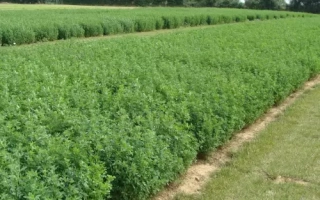
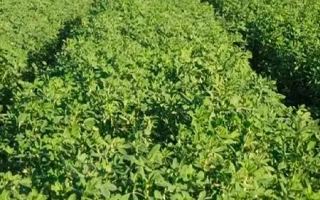
Lucerne variety Serafima is a medium-maturing crop with a vegetation period of about 124 days, primarily intended for hay production. This variety was created by hybridizing M. coerulea Less and population II M. sativa L., followed by multiple selections under late-season sowing. Due to its high adaptability and nitrogen-fixing ability, Serafima can yield 4-5 cuttings per season, ensuring a stable and high yield of dry matter.
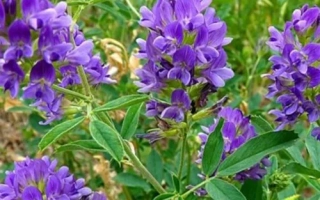
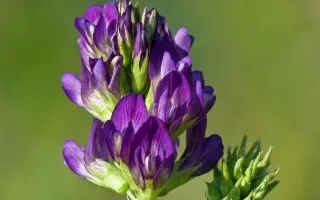
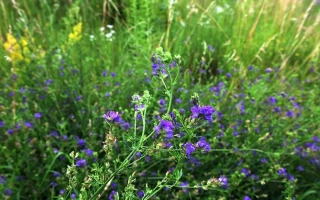
The variety is distinguished by its high winter hardiness and drought resistance, making it suitable for cultivation in all climatic zones of Ukraine, including the Forest-Steppe, Polesie, and Steppe regions. Additionally, Serafima exhibits high resistance to diseases, being affected only minimally, which reduces the need for additional protective measures. Plants have an upright habit, medium or high stature, and predominantly dark blue and purple flowers, which is a distinctive feature of the variety.
In terms of yield, the variety shows average performance of about 104.8 c/ha dry matter, with maximum values reaching 147.0 c/ha. The plant contains approximately 20.5% protein and 34.2% fiber, making it a valuable feed resource for livestock. Serafima is recommended for widespread use in agriculture due to its high agronomic qualities and stable productivity.
The variety is distinguished by its high winter hardiness and drought resistance, making it suitable for cultivation in all climatic zones of Ukraine, including the Forest-Steppe, Polesie, and Steppe regions. Additionally, Serafima exhibits high resistance to diseases, being affected only minimally, which reduces the need for additional protective measures. Plants have an upright habit, medium or high stature, and predominantly dark blue and purple flowers, which is a distinctive feature of the variety.
In terms of yield, the variety shows average performance of about 104.8 c/ha dry matter, with maximum values reaching 147.0 c/ha. The plant contains approximately 20.5% protein and 34.2% fiber, making it a valuable feed resource for livestock. Serafima is recommended for widespread use in agriculture due to its high agronomic qualities and stable productivity.
Crop & resistance
Crop
Disease resistance
Specifications
| Plant Height | 85-110 |
|---|---|
| Registration year | 2004 |
| Catalog | Catalog → Lucerne |
| Legal data |
Show · 1
|
| Country | Ukraine |
No reviews yet. Be the first to share your experience.
Alternatives
Alfalfa seeds · similar varieties


See also
Often considered together with this variety




Recently viewed
Products you’ve viewed on this site
Reviews