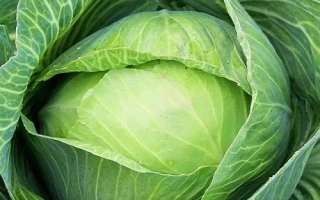
Futoški cabbage is an autochthonous variety of white cabbage, named after the region where it is grown in the Vojvodina province in northern Serbia, near the town of Futoš. This variety is known for its multi-century history, dating back over 500 years, and is distinguished from other cabbage varieties by its unique characteristics. The heads have a slightly flattened oval shape with pronounced ribs, with an average weight of 3-4 kilograms. The leaves are thin, elastic, bluish-green in color with a glossy surface, giving them a delicate texture and soft structure. Thin leaf veins compactly cover two-thirds of the head, making it loose and light compared to other varieties. Futoški is a mid-late maturing variety with a vegetative period of about 130 days after transplanting. It adapts well to various climatic conditions, is heat- and cracking-resistant, making it suitable for cultivation in regions with warm temperate climates. Due to its high natural sugar content and low acidity and protein levels, this cabbage is especially prized for fresh consumption, as well as for pickling and fermenting. During fermentation, the cabbage takes on an amber-yellow color, becomes moderately sour-salty, and develops loose, firm heads, making it one of the most flavorful and high-quality varieties for these purposes. Futoški cabbage is widely used both in home and industrial food preparation. It can be pickled whole or in individual leaves, offering diverse culinary applications. Additionally, it is suitable for boiling and preparing fresh salads. Thanks to its good winter storage, this variety remains popular among gardeners and producers who value its high quality and versatility.