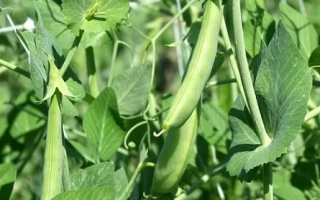
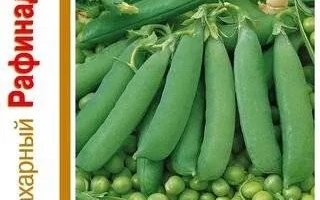
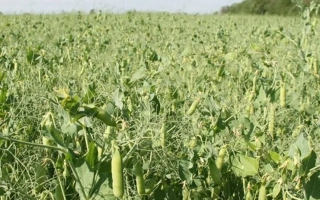
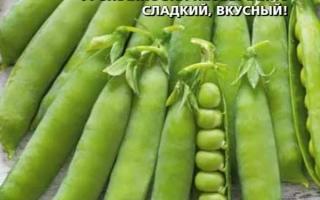
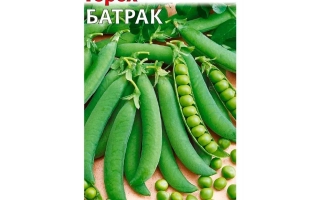
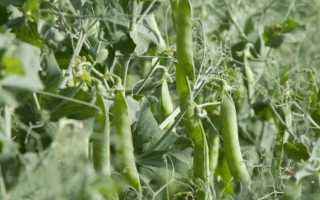
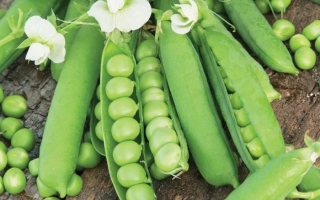
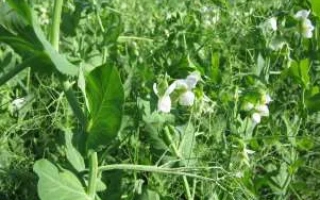
The Pharaoh pea variety is a mid-season leafless variety with a hairy leaf type, plant height ranging from 65 to 100 cm. The plants are medium-stemmed, with up to 11 to 15 nodes before the first inflorescence, well-developed stipules and hairs. Pods are slightly curved with blunt tips, containing 3 to 6 seeds that have an angular-rounded shape, light yellow color with small indentations and a black hilum. The mass of 1000 seeds varies from 210 to 276 grams. The vegetative period is 64 to 85 days, corresponding to a mid-season ripening period.
The variety is characterized by high resistance to lodging and drought, ensuring crop stability under various climatic conditions. Pharaoh is well adapted to direct harvesting with a combine harvester, which facilitates agricultural operations. The variety yields high: average figures reach about 3.2 tons/hectare, while maximum yields in certain regions exceed 5 tons/hectare. Compared to other varieties such as Orlovchyanin and Kazanets, Pharaoh shows better results in terms of yield and resistance to unfavorable conditions.
The variety is recommended for cultivation in the Central, Central-Black Earth, North-Caucasian, Middle-Volga, Lower-Volga, and Ural regions of Russia, as well as in Ukraine. Despite its high resistance to lodging and drought, the variety is susceptible to ascochitis and root rots, which requires attention when choosing plant protection means and agricultural measures. Pharaoh demonstrates high responsiveness to fertilizers, which allows significantly increasing yield when nutrients are applied correctly.