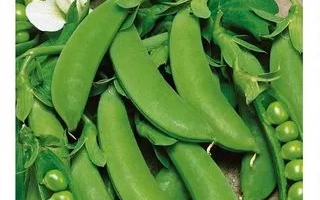
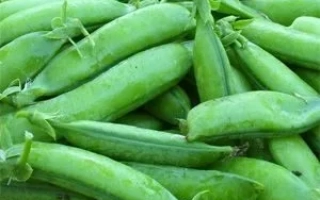
The 'Altai Bearded' pea variety is a mid-season leafless determinate variety, characterized by high resistance to shattering and lodging. Plants reach a height of 55 to 109 cm, have a moderate number of nodes before the first fertile node, well-developed stipules, and low mottling density. Flowers are white, with up to two flowers per node. Pods are straight or slightly curved with a blunt tip; seeds are irregular in shape with yellow cotyledons and a light hilum, covered by a remnant of the seed stalk. The mass of 1000 seeds ranges from 174 to 248 g, which is on average 32 g higher than standard varieties. The variety is characterized by moderate drought tolerance and high resistance to lodging, surpassing leafless varieties Varyag and Omsky 9 in this regard. The vegetation period ranges from 76 to 104 days. The average yield in the region is 19.9 c/ha, corresponding to the level of standard varieties, while the maximum yield reached 45.6 c/ha in the Tomsk region. Protein content in the grain reaches 26.8%, which is a significant advantage of the variety. Under field conditions, 'Altai Bearded' is weakly affected by root rots and has moderate resistance to ascochitis and rust. In addition to traditional use, this pea variety is suitable for growing microgreens, which are popular among health-conscious consumers. Pea microgreens are distinguished by characteristic tendrils, which begin to form as early as the 12th day of growth. Pea sprouts have a juicy and pleasant taste; they are used to garnish dishes, added to salads, vegetable stews, and are also used in the preparation of smoothies, nutrient shakes, and purees. Microgreens are rich in macro- and micronutrients, proteins, phosphorus, and vitamins of groups B, C, PP, E, and K, which positively affects the health of children and adults.