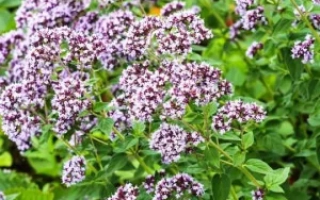
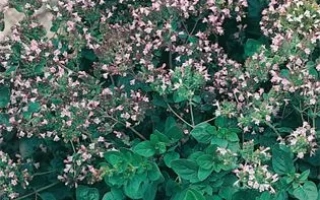
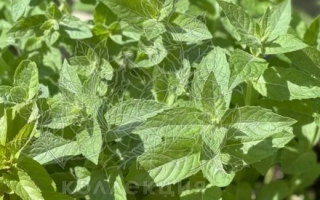
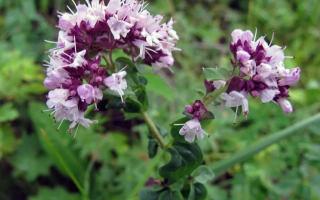
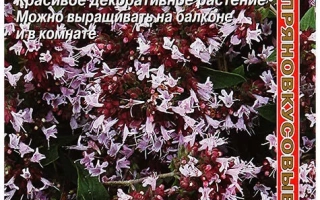
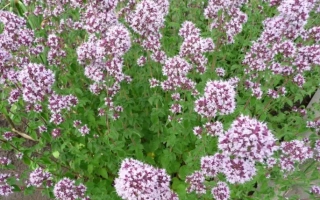
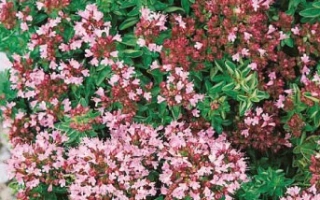
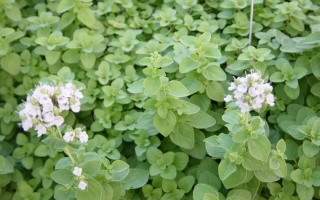
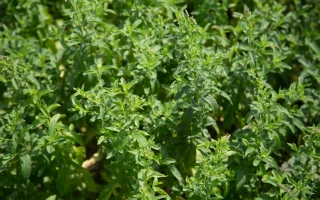
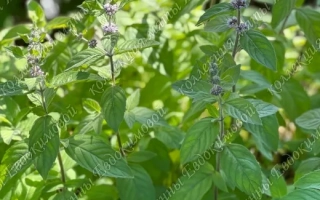
Origanum vulgare L. (Oregano) – a perennial herbaceous plant of the Lamiaceae family, widely distributed in Europe and the Mediterranean. Height up to 80 cm, semi-erect growth form, leaves covered with soft pubescence, and flowers are dark purple, blooming in June–July. The plant is distinguished by its pleasant aroma and spiciness, making it a valuable ingredient in culinary blends and imparting an exquisite spicy flavor to dishes.
In medicine, oregano is used thanks to the rich chemical composition of essential oils: thymol, carvacrol, felandrene, and free alcohols. These compounds possess anti-inflammatory, antimicrobial, astringent, and spasmolytic effects. Tannins present in the plant are used in the treatment of gastritis and peptic ulcer, as well as contribute to improved intestinal peristalsis and bile ducts. Additionally, oregano exhibits sedative, diuretic, hemostatic, and cholagogue effects.
In cooking, oregano is widely used as a spice in Mediterranean cuisine dishes and is also part of aromatic blends. Due to its resistance to pests and diseases, as well as drought resistance (4.6 points), the plant is easily grown in a garden or on a farm. Bees especially value its aroma, which promotes successful pollination and increases yield. In general, oregano is a universal plant, combining decorative qualities, useful properties, and culinary appeal.