


SKU #68830
·
50 views
TAIGA
Coriander
Агрофирма ПоискUser rating
0 votes0% positive reviews
No ratings yet — be the first.
Direction
Sheet
Maturation Period
160-170 days
Registration year
2005
About product

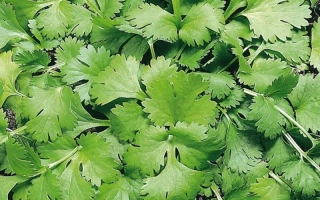
Coriandrum sativum 'TAIGA' is a late-maturing, compact annual plant reaching about 40 cm in height, featuring a semi-erect rosette of medium-cut green leaves with serrated edges. This variety is distinguished by its high productivity and quality, as well as its strong, characteristic aroma, making it in demand for both culinary and medicinal purposes. Leaves of young plants are widely used for fre…
Direction
Sheet
Maturation Period
160-170 days
Registration year
2005
Description
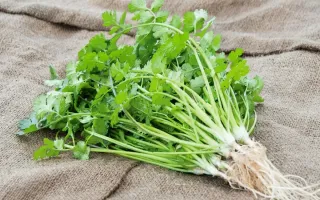
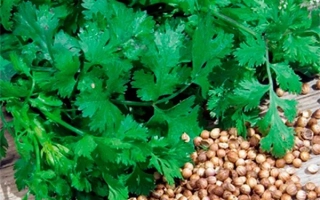
Coriandrum sativum 'TAIGA' is a late-maturing, compact annual plant reaching about 40 cm in height, featuring a semi-erect rosette of medium-cut green leaves with serrated edges. This variety is distinguished by its high productivity and quality, as well as its strong, characteristic aroma, making it in demand for both culinary and medicinal purposes. Leaves of young plants are widely used for fresh greens, while seeds serve as a spicy seasoning to flavor baked goods, confectionery, marinades, and spice blends. In folk medicine, coriander is valued for its cholagogue, analgesic, and wound-healing properties, as well as for its benefits in treating colds and gastrointestinal disorders.
To successfully grow 'TAIGA' coriander, well-lit areas are essential, as insufficient light slows seed maturation and reduces yield and essential oil content. The plant is frost-hardy and drought-resistant, yet it requires adequate moisture during the early growth stages and fruit set. Best results are achieved on loose, fertile, and well-drained soils; heavy clay soils are unsuitable. Coriander responds positively to fertilization, particularly with phosphorus and nitrogen.
Agrotechnology for growing involves multiple sowings from early spring to mid-summer with a 10-15 day interval to ensure a continuous supply of greens. Seed sowing depth should be 1-2 cm, with row spacing of 30-60 cm depending on the intended use. Crop care includes loosening, weeding, and irrigation as needed. Harvesting is done when plants reach 12-17 cm in height for greens, or when seeds are fully mature. Yields reach 2.0-2.5 kg per square meter, making the 'TAIGA' variety an excellent choice for producing high-quality bunch greens and seeds.
To successfully grow 'TAIGA' coriander, well-lit areas are essential, as insufficient light slows seed maturation and reduces yield and essential oil content. The plant is frost-hardy and drought-resistant, yet it requires adequate moisture during the early growth stages and fruit set. Best results are achieved on loose, fertile, and well-drained soils; heavy clay soils are unsuitable. Coriander responds positively to fertilization, particularly with phosphorus and nitrogen.
Agrotechnology for growing involves multiple sowings from early spring to mid-summer with a 10-15 day interval to ensure a continuous supply of greens. Seed sowing depth should be 1-2 cm, with row spacing of 30-60 cm depending on the intended use. Crop care includes loosening, weeding, and irrigation as needed. Harvesting is done when plants reach 12-17 cm in height for greens, or when seeds are fully mature. Yields reach 2.0-2.5 kg per square meter, making the 'TAIGA' variety an excellent choice for producing high-quality bunch greens and seeds.
Video · 2 videos
Suggest a video →Crop & resistance
Crop
Specifications hover over for a hint about the specification
|
Direction
Direction
Existing varieties and types of cabbage are grown for fresh consumption, long-term storage, and technical processing. |
|
|---|---|
|
Maturation Period
Maturation Period
Vegetation period from emergence to technical maturity 30-50 days. |
160-170 days |
| Registration year | 2005 |
| Catalog | Catalog → Coriander |
| Manufacturer | Агрофирма Поиск |
| Legal data |
Show · 3
|
| Country | Russia |
Store offers
Prices are updated on loadLoading offers…
Aggregator catalog: prices are collected automatically from store websites, normalized by AI and converted at the current exchange rate. Before ordering, confirm the price and availability on the store's website. This block is not indexed by search engines — the data is loaded after the page opens.
Not yet комментариев. Be the first!




See also
Often considered together with this variety


Recently viewed
Products you’ve viewed on this site
Reviews · 0