
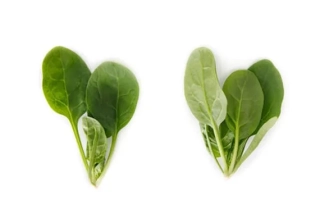

SKU #68844
·
58 views
BANJO
Spinach
Pop Vriend Seeds-NLUser rating
0 votes0% positive reviews
No ratings yet — be the first.
Leaf Color
Dark Green
Registration year
2024
Store offers · 1 from 1 stores
Prices are updated on loadLoading offers…
Available at: Дары Природы
Aggregator catalog: prices are collected automatically from store websites, normalized by AI and converted at the current exchange rate. Before ordering, confirm the price and availability on the store's website. This block is not indexed by search engines — the data is loaded after the page opens.
About product

A high-performance spinach variety with superior disease resistance and premium dark-green foliage.
Leaf Color
Dark Green
Registration year
2024
Description
Professional Grade Spinach: The Banjo Advantage
The 'Banjo' spinach variety, developed by the Dutch seed house Pop Vriend Seeds-NL, is engineered for farmers who prioritize consistency, plant health, and visual appeal. In a competitive market, this variety stands out due to its genetic robustness and superior performance under varied agricultural conditions.
Exceptional Disease Resistance
Disease pressure is the primary factor limiting spinach yields. Banjo mitigates this risk through high innate resistance to downy mildew, late blight (Phytophthora), and Alternaria leaf spot. By choosing a variety with this level of genetic protection, growers can significantly reduce their reliance on chemical fungicides, leading to lower production costs and a cleaner, more sustainable final product.
Market-Ready Quality
Banjo is defined by its striking, dark-green foliage. Beyond its aesthetic appeal, this variety offers uniform leaf development, ensuring a professional and consistent look that remains highly desirable in both fresh-cut and processing markets. The leaves are structurally sound, maintaining their freshness throughout the distribution chain.
- High-stress tolerance to fluctuating weather conditions.
- Reduced operational costs due to natural resistance to major pathogens.
- Excellent visual consistency, making it a favorite for supermarket shelf-life.
For operations focused on large-scale production, Banjo provides the security of a reliable yield. Its resilience to pests and diseases, combined with its premium visual qualities, makes it a strategic choice for modern farming systems that prioritize both profitability and sustainable practices.
Crop & resistance
Disease resistance
Specifications
| Leaf Color | |
|---|---|
| Registration year | 2024 |
| Catalog | Catalog → Spinach |
| Manufacturer | Pop Vriend Seeds-NL |
| Country | Netherlands |
Not yet комментариев. Be the first!
Alternatives
Spinach seeds · similar varieties





See also
Often considered together with this variety



Recently viewed
Products you’ve viewed on this site
Reviews · 0