


SKU #69476
·
42 views
Carmine
Clover
User rating
0 votes0% positive reviews
No ratings yet — be the first.
Flower Color
Pink
Variety Characteristics
Good for bees, High protein content
Registration year
1999
About product

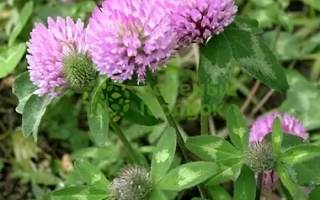
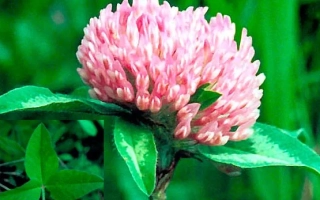
High-protein clover variety featuring robust fungal resistance and exceptional honey-producing potential.
Flower Color
Pink
Variety Characteristics
Good for bees, High protein content
Registration year
1999
Description
Genetic Potential and Phytosanitary Resilience
The 'Karmin' clover variety represents a selective advancement engineered by the A.G. Lorch Potato Research Center and the Belogorka Research Institute. Its agricultural utility is defined by robust resistance to a spectrum of legume pathogens. Specifically, 'Karmin' exhibits strong genetic defense against anthracnose and fusarium wilt. A critical technical feature is its immunity to potato wart disease, which renders the variety a safer, more versatile component for crop rotation cycles involving solanaceous crops.
Nutritional Profile and Entomological Impact
The core advantage of 'Karmin' lies in its biochemical output. Breeders have optimized the variety for high protein density in its vegetative biomass, directly enhancing the nutritional value of feed and reducing the need for costly external protein supplements. Beyond forage, the intense pink inflorescences serve as an exceptional nectar source, positioning the variety as an strategic asset for integrated agricultural systems that prioritize apiculture.
- Phytosanitary Defense: Inherited resistance to fungal pathogens minimizes the requirement for chemical interventions.
- Nutritional Density: Optimized protein synthesis improves the nutritional quality of haylage and green forage.
- Agronomic Synergy: Resistance to potato wart allows for efficient spatial and rotational integration with other key crops.
Crop & resistance
Crop
Disease resistance
Specifications
| Flower Color | |
|---|---|
| Variety Characteristics | |
| Registration year | 1999 |
| Catalog | Catalog → Clover |
| Legal data |
Show · 13
|
| Country | Russia |
Store offers
Prices are updated on loadLoading offers…
Aggregator catalog: prices are collected automatically from store websites, normalized by AI and converted at the current exchange rate. Before ordering, confirm the price and availability on the store's website. This block is not indexed by search engines — the data is loaded after the page opens.
Not yet комментариев. Be the first!





See also
Often considered together with this variety


Recently viewed
Products you’ve viewed on this site
Reviews · 0