


SKU #60313
·
40 views
Sanya
Barley
OOO 'AGROSTANDART'User rating
0 votes0% positive reviews
No ratings yet — be the first.
Plant Type
Winter Barley, Spring barley
Registration year
2024
About product

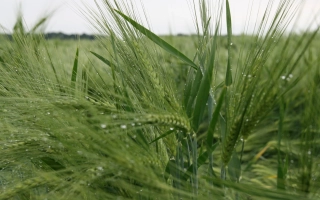
The Sanya barley variety is presented in two versions — winter and spring, each possessing unique characteristics and adapted to various climatic conditions. The winter barley Sanya, developed by LLC "AgroStandard", is distinguished by high resistance to moisture deficiency and spring drought, making it particularly valuable for cultivation in arid regions such as Krasnodar and Stavropol Krai. Thi…
Plant Type
Winter Barley, Spring barley
Registration year
2024
Description
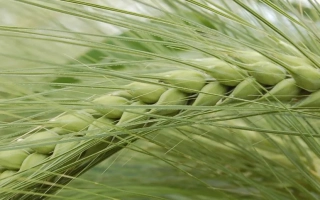
The Sanya barley variety is presented in two versions — winter and spring, each possessing unique characteristics and adapted to various climatic conditions. The winter barley Sanya, developed by LLC "AgroStandard", is distinguished by high resistance to moisture deficiency and spring drought, making it particularly valuable for cultivation in arid regions such as Krasnodar and Stavropol Krai. This variety forms a heavy ear and ensures high yields up to 120 centners per hectare. With grain protein content within 11.2-13.1% and filminess of 8.8-9.2%, it is also resistant to blotches and soil acidity, enhancing its reliability and crop quality. Winter Sanya was obtained through intraspecific hybridization and individual selection, confirmed by its inclusion in the State Register of Breeding Achievements of the Russian Federation and patent protection. Spring barley Sanya is a mid-season and medium-height variety, adapted to the conditions of the Ural and West Siberian regions, recommended for cultivation in the Omsk region. It is characterized by high drought resistance, surpassing regional standards, and good grain quality. The vegetative period lasts 74-87 days, which is slightly later than local standards. The plant is semi-erect with a pyramidal-cylindrical loose ear of medium density, covered with a waxy coating. The grain is large, film-covered, with high protein content (10.7-17.5%), fat (2.25%), and starch (56.2%), making it valuable for forage use. Despite moderate resistance to certain diseases, the variety requires attention to protection against powdery bunt and root rots. Both versions of the Sanya variety demonstrate high productivity and adaptability to various soil and climatic conditions, making them attractive for agricultural production in different regions of Russia. The winter version is especially suitable for southern arid areas, while the spring version is for more northern and steppe zones. High protein content and resistance to adverse factors ensure stable grain quality and high yield, contributing to effective use of the variety in grain forage production.
Crop & resistance
Crop
Disease resistance
Specifications
| Plant Type | |
|---|---|
| Registration year | 2024 |
| Catalog | Catalog → Barley |
| Manufacturer | OOO 'AGROSTANDART' |
| Legal data |
Show · 1
|
| Country | Russia |
Store offers
Prices are updated on loadLoading offers…
Aggregator catalog: prices are collected automatically from store websites, normalized by AI and converted at the current exchange rate. Before ordering, confirm the price and availability on the store's website. This block is not indexed by search engines — the data is loaded after the page opens.
Not yet комментариев. Be the first!
Alternatives
Barley seeds · similar varieties




See also
Often considered together with this variety


Recently viewed
Products you’ve viewed on this site
Reviews · 0