


SKU #60406
·
32 views
Barley PRIMORSKY 100
Barley
Prices in stores
No offers yet — stores have not added prices for this product yet.
Similar varieties with prices
-
SB CITRACarlsberg A/S
from 0.52 €за л
-
 ODESSKY 100
from 132.71 €
ODESSKY 100
from 132.71 €
-
 MESSINASaatbau
from 0.27 €per 1 kg
MESSINASaatbau
from 0.27 €per 1 kg
-
 REMONTOORENBURG STATE AGRARIAN UNIVERSITY
from 0.12 €
REMONTOORENBURG STATE AGRARIAN UNIVERSITY
from 0.12 €
Plant Type
Spring barley
Plant Height
50-60cm, 60-70cm, 70-80cm, 80-90cm
Vegetation Period (Maturity)
80-90 days
Grain: mass 1.000seeds
40-42 grams, 42-44 grams, 44-46 grams, 46-48 grams, 48-50 grams, 50-52 grams
Your mark
0 votes
0% positive ratings
Description
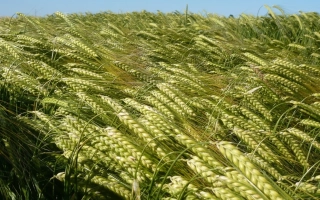
PRIMORSKY 100 is a medium-early spring barley (Hordeum vulgare L.) variety of the nutans type, intended for cultivation in various climatic zones, including the Central-Black Earth, North Caucasian, Middle Volga, and Far Eastern regions. The vegetation period ranges from 65 to 96 days depending on conditions, allowing the crop to adapt to different agro-climatic conditions. Plants have a medium height of 58 to 90 cm, an erect bush with dark green leaves and a thin, elastic stem resistant to lodging. The spike is long, cylindrical, and loose with a strong waxy coating, while the grain is elongated-elliptical, large, and straw-yellow in color. The variety is distinguished by high productive bushiness and medium yields of about 3.4 t/ha. The mass of 1000 grains varies from 38 to 52 grams, indicating grain size and quality. PRIMORSKY 100 exhibits high heat and drought resistance, making it a reliable choice for regions with variable climates. Additionally, the variety shows weak susceptibility to main barley diseases such as powdery mildew, dwarf rust, loose smut, as well as moderate resistance to covered smut, helminthosporiosis, and net blotch. Barley PRIMORSKY 100 is widely used in food, technical, and feed sectors due to its high starch, protein, and vitamin content. The grain furage nature of the variety, with protein content up to 12.6%, ensures its value for animal feeding and use in the food industry. Cultivating this variety requires consideration of climatic conditions, as the crop is sensitive to cold, excess moisture, and intense heat; however, high adaptability and resistance make it a popular choice among agricultural producers.
Crop & resistance
Crop
Disease resistance
Specifications
| Plant Type | |
|---|---|
| Plant Height | 50-60cm, 60-70cm, 70-80cm, 80-90cm |
| Vegetation Period (Maturity) | 80-90 days |
| Grain | |
| Mass 1.000seeds | 40-42 grams, 42-44 grams, 44-46 grams, 46-48 grams, 48-50 grams, 50-52 grams |
| Nitrogenous substances content in dry residue, % | 12 |
| Registration year | 2024 |
| Catalog | Catalog → Barley |
| Legal data |
Show · 1 |
| Country | Russia |
No reviews yet. Be the first to share your experience.
Alternatives
Barley seeds · similar varieties


See also
Often considered together with this variety




Recently viewed
Products you’ve viewed on this site
Reviews