

SKU #45974
·
59 views
Simirenkivets
Apple
User rating
0 votes0% positive reviews
No ratings yet — be the first.
Type of Sort
Winter Apple Variety
Tree; Growth Power
Tall
Tree; Canopy Shape
Round Canopy
Fruit; Fruit Shape
Flat-round
Prices in stores
from2.78 €per seedling
pack from 2.89 € per pack
7 offers from 4 stores
Store offers · 7 from 4 stores
Prices are updated on loadLoading offers…
Available at: Agrosyla · Biosad · Doslidna Stantsiya · Панські Сади · Yaskrava Klumba
Aggregator catalog: prices are collected automatically from store websites, normalized by AI and converted at the current exchange rate. Before ordering, confirm the price and availability on the store's website. This block is not indexed by search engines — the data is loaded after the page opens.
About product

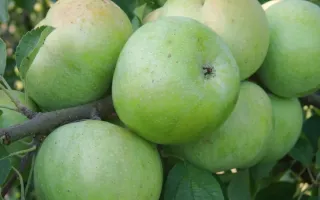
The Simirenkivets apple tree is a winter-hardy and high-yielding Ukrainian selection with vigorous growth and a round crown. This variety is known for its early fruiting: the first fruits appear as early as the 3rd–4th year after grafting onto MM 106 rootstock and by the 5th–6th year on Antonovka ordinary seedlings. Flowering occurs in mid-late season, and pollen viability is high, contributing to…
Type of Sort
Winter Apple Variety
Tree; Growth Power
Tall
Tree; Canopy Shape
Round Canopy
Fruit; Fruit Shape
Flat-round
Description
The Simirenkivets apple tree is a winter-hardy and high-yielding Ukrainian selection with vigorous growth and a round crown. This variety is known for its early fruiting: the first fruits appear as early as the 3rd–4th year after grafting onto MM 106 rootstock and by the 5th–6th year on Antonovka ordinary seedlings. Flowering occurs in mid-late season, and pollen viability is high, contributing to stable fruiting with minimal intervals. The tree is drought-tolerant, but its winter hardiness is rated as medium, and resistance to scab and powdery mildew is moderate. Simirenkivets apples have medium to large size, weighing 140–210 grams, light green in color with white or white-green lenticels and a bluish bloom. Fruit shape varies from flattened-round to round-conical. The flesh is dense, white with a greenish tinge, fine-grained, with a sweet-tart flavor featuring notes of honey and a slight spicy acidity. The skin is thin, smooth, and glossy. Harvesting for eating ripens at the end of September to early October, while consumer maturity occurs in December. When stored properly in a refrigerator, fruits retain freshness and market appearance until March, ensuring high transportability and extended shelf life. Simirenkivets requires full sun for planting and yields high crops—up to 26–30 tons per hectare. It fruits on spurs and short branches, facilitating care and harvest. Among the best pollinators for this variety are Jonathan, Rovenskyy, Zorya Podolya, and Rubinovoye Duky. Key advantages of this variety include early fruiting, stable high yield, and excellent fruit quality. Disadvantages include moderate winter hardiness and susceptibility to fungal diseases, requiring timely preventive care and maintenance.
Crop & resistance
Disease resistance
Specifications hover over for a hint about the specification
| Type of Sort | |
|---|---|
| Tree; Growth Power | |
| Tree; Canopy Shape | |
| Fruit; Fruit Shape | |
| Fruit; Fruit mass | 150-200 grams |
| Fruit; Fruit Color (Base Color) | |
| Fruit; Blush (Blush Color) | |
|
Fruit; flesh color
Fruit; flesh color
Color of the fruit flesh. There are red, pink, yellow, and brown colors. |
|
| Fruit; Taste qualities | 4.0 stars |
| Fruit; Lying | 3-4 months |
| Cold Resistance | |
| Registration year | 1997 |
| Catalog | Catalog → Apple |
| Legal data |
Show · 1
|
| Country | Ukraine |
Not yet комментариев. Be the first!
Alternatives
Apple saplings · similar varieties




See also
Often considered together with this variety




Recently viewed
Products you’ve viewed on this site
Reviews · 0